Lateral Facetectomy
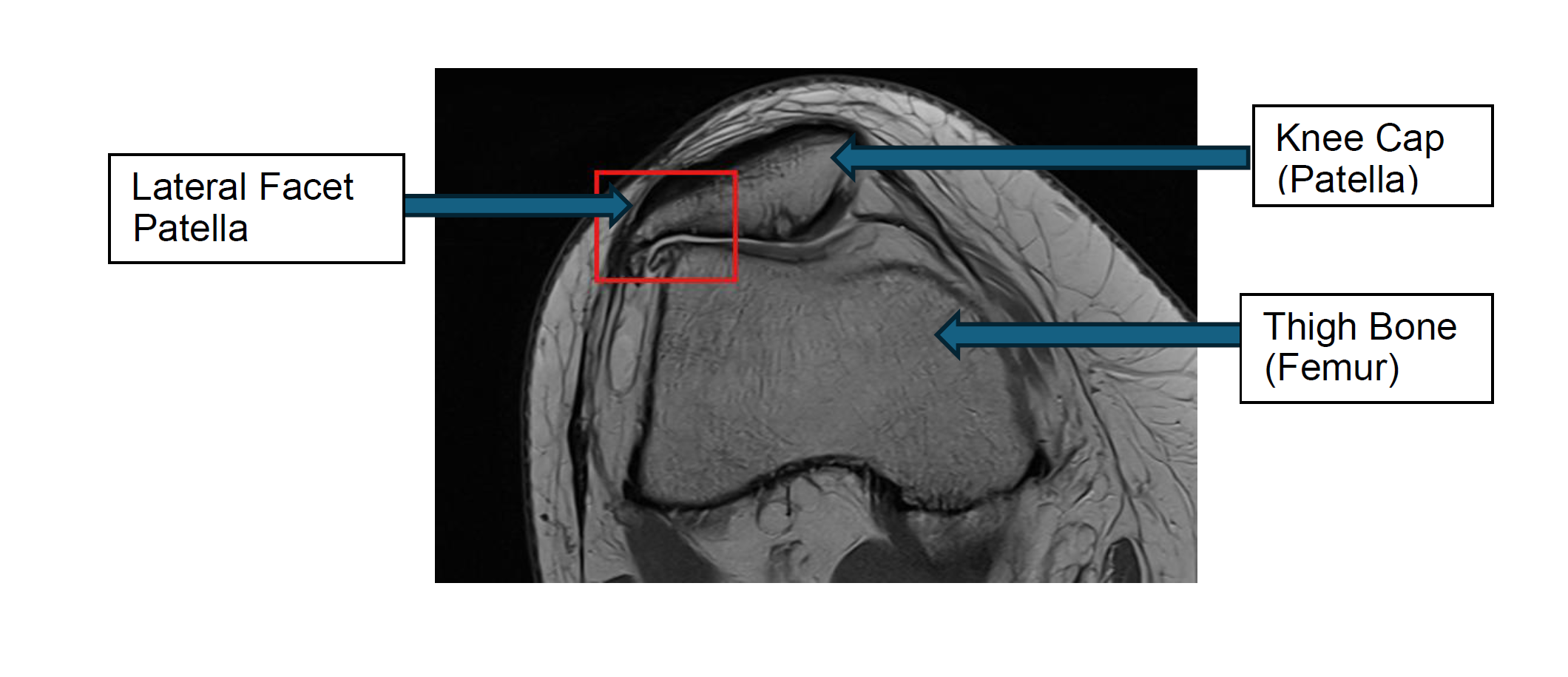
What is a lateral patella facetectomy?
A lateral patella facetectomy is a surgical procedure used to treat pain and arthritis in the kneecap (patella), particularly when the outer (lateral) facet of the patella is worn or damaged. In this operation, the surgeon carefully removes part of the outer edge of the kneecap to reduce pressure, improve movement, and relieve pain.
Why might I need this surgery?
This procedure is usually recommended if:
- You have isolated patellofemoral osteoarthritis, mainly affecting the outer side of the kneecap.
- You experience persistent knee pain at the front or outer side of the knee.
- Non-surgical treatments (such as physiotherapy, injections, or activity modification) have not provided enough relief.
Benefits
- Pain relief in the front of the knee.
- Improved mobility and function.
- Helps delay or avoid the need for a full or partial knee replacement in some patients.
The Procedure
The surgery can be performed arthroscopically (keyhole) or through a small open incision. The damaged outer facet of the patella is trimmed or removed. The operation usually takes less than an hour and is carried out under general anaesthetic. You may go home the same day or after a short hospital stay.
Risks
As with any operation, there are potential risks involved but the chances of complications occurring is very low.
These include:
- Risk associated with general anesthetic – this can be discussed with your anaesthetists
- Wound problems such as slow healing, oozing and infection that may require antibiotics <2%
- Stiffness requiring extensive physiotherapy or a Manipulation within 12 weeks of your surgery <5%
- Blood clots requiring 6 months treatment with blood thinning tablets and sometimes causing long-term leg swelling or severe breathing problems < 1%
- Nerve or vessel damage
- It is normal to have some numbness around the scar and to have swelling of your knee after the operation
- There is a chance that despite the operation the patella is still a bit unstable. If this is the case, further procedures may be required at a later stage.
Your surgeon will discuss these risks with you and explain how they are minimised.
What happens after surgery?
After the operation, you will be allowed to fully weight bear on the operated leg straight away but you may need with additional support for example crutches.
Bending and straightening of the knee is encouraged from the start to minimise stiffness and weakness. This will be discussed with you, guided by the surgeons' instructions. You will be given exercises and advice before you are discharged. Exercises will help restore movement and strengthen the quadriceps muscles and should be done regularly.
It is not unusual to have pain and swelling for a number of weeks following this surgery. Use pain relief, ice and activity modification to control the pain and swelling.
You should aim for full movement in your knee by 6 weeks after your operation.
Return to activities: Most patients return to normal daily activities within a few weeks, but full recovery may take several months depending on your fitness.
Follow-up
You will have follow-up appointments to check healing and progress with your surgical team commonly 6 weeks after your operation. Physiotherapy review is usually arranged approximately 2-3 weeks after your surgery to review your movement and muscle function.
You must contact us if you have not received a physiotherapy appointment within 2 – 3 weeks after your surgery.
It is recommended that you take time off work to recover. If sedentary job you are likely to be able to return to work sooner than a physical job.
You should not drive until you are off crutches and restored the function of your knee and able to fully control the car.
Exercises
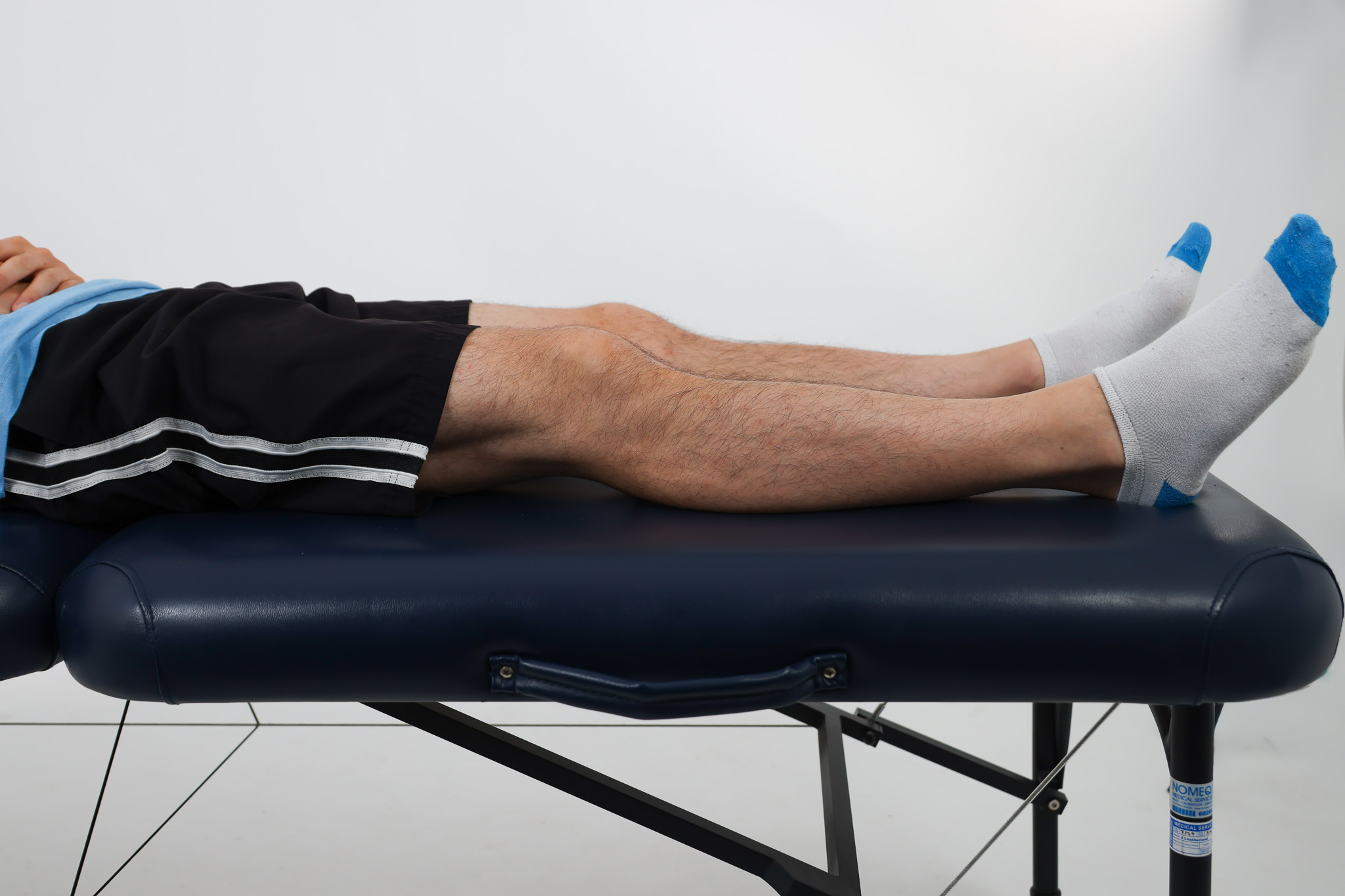 |
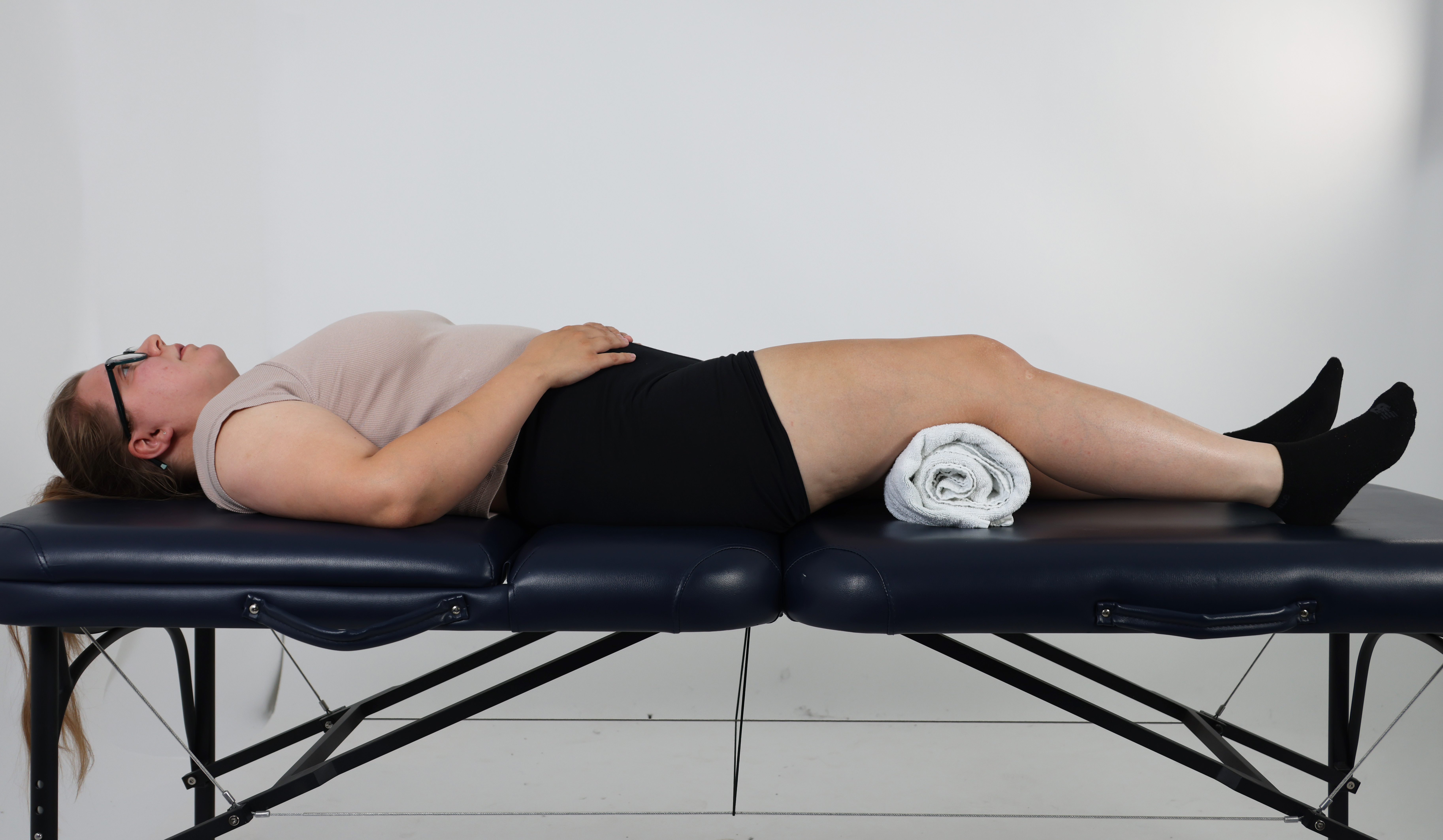
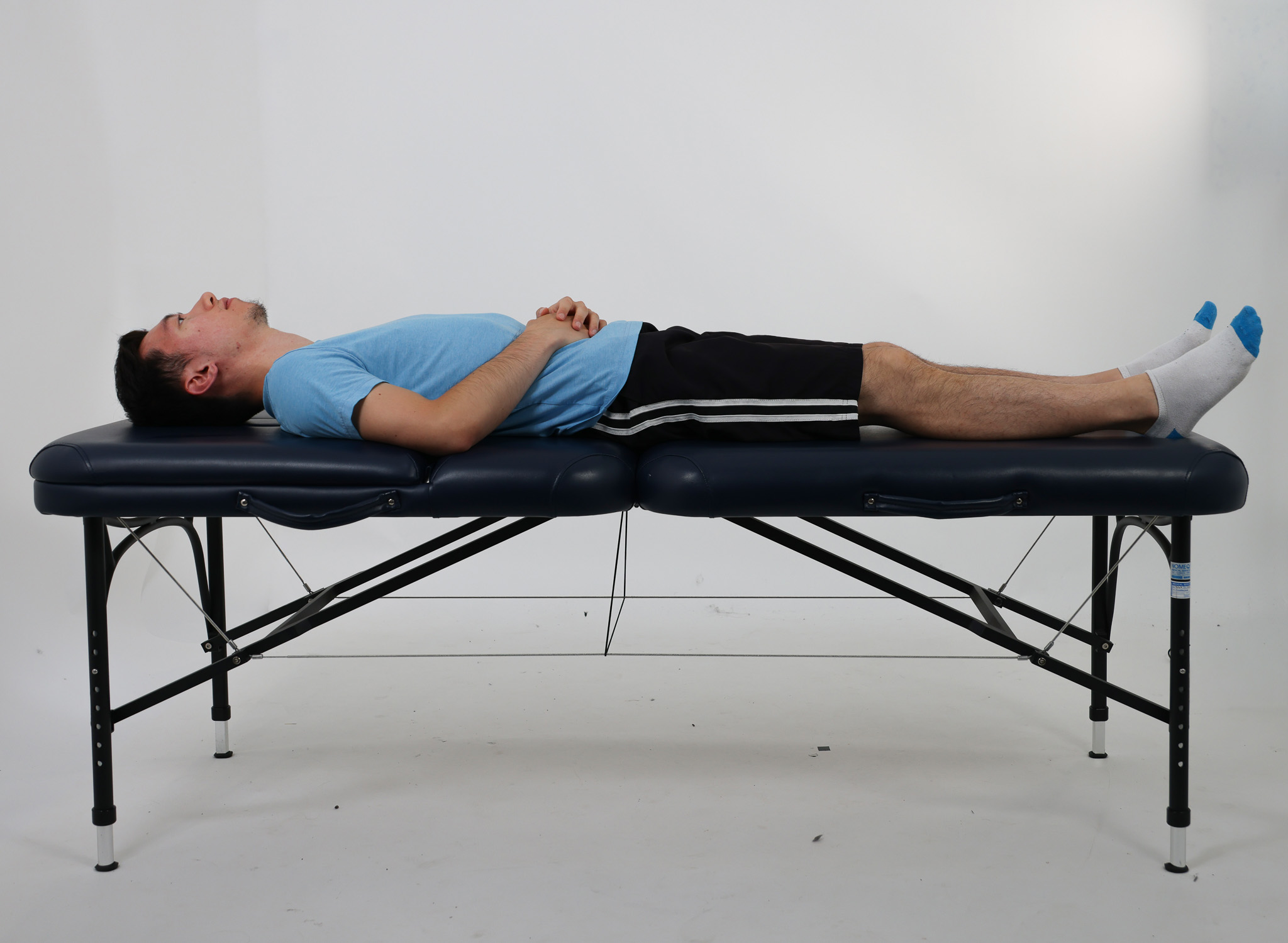
You should do this exercise while lying down. A good place to do this exercise is on your bed. Contracting your muscle and holding once is one repetition.
|
Repeat this 10-12 times 3 times daily |
|
|
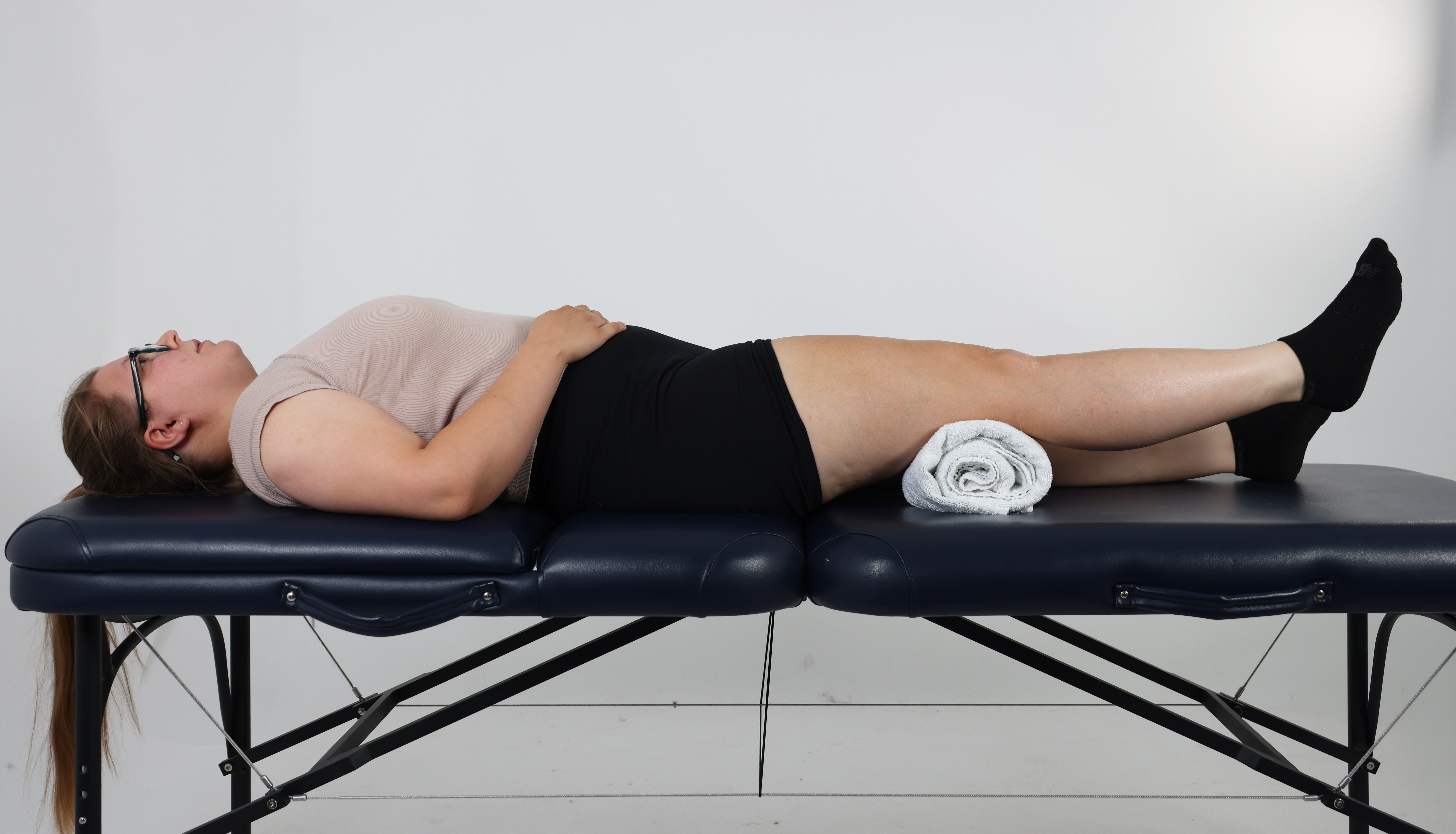
You should do this exercise while lying down. A good place to do this exercise is on your bed. Lifting and holding your leg once is one repetition.
|
Repeat this 10-12 times 3 times daily |
|
|
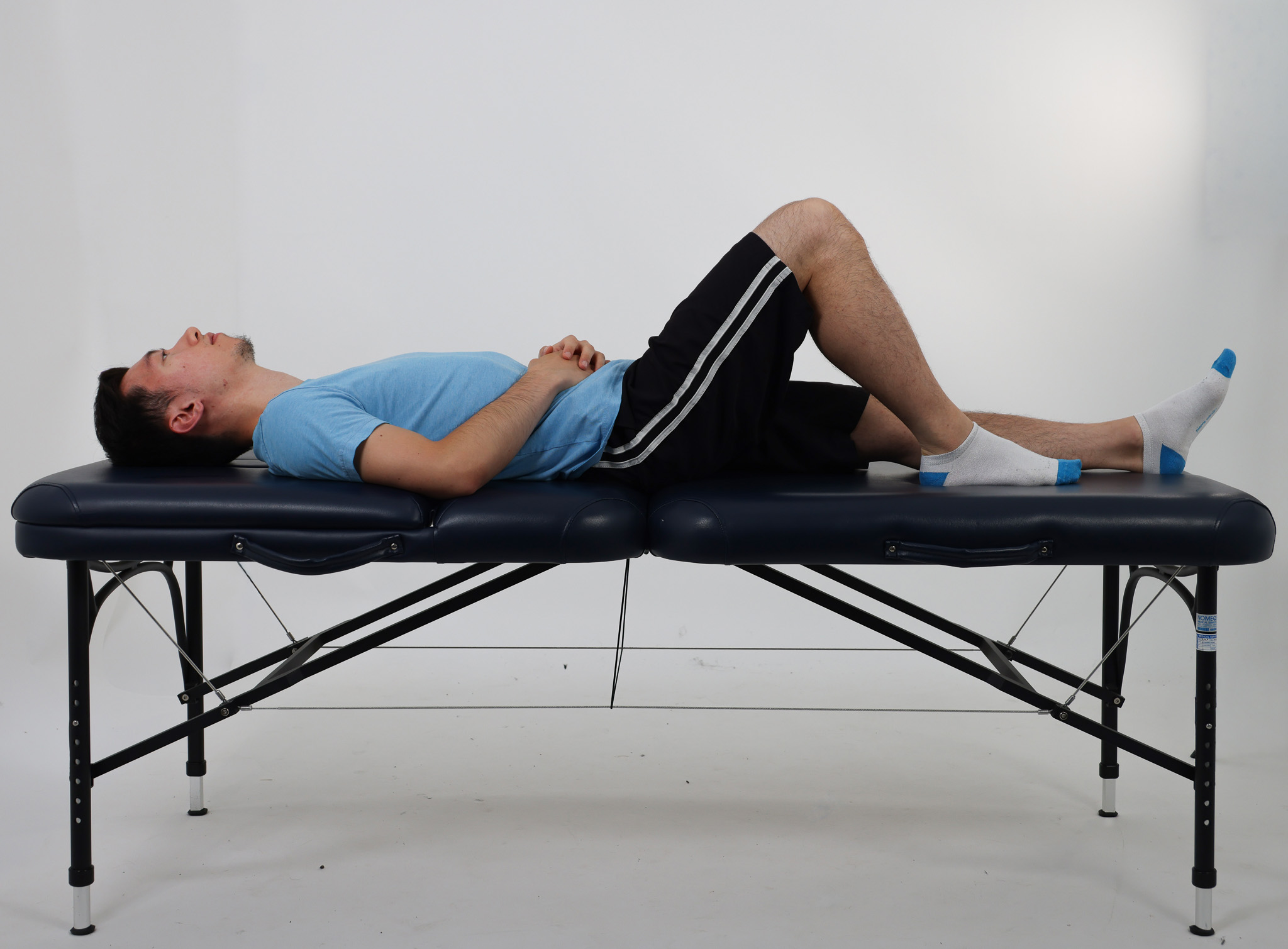
You should do this exercise while lying down. A good place to do this exercise is on your bed. Bending and straightening your leg once is one repetition. Start with your leg straight, slowly bend your leg by sliding your foot along the floor/bed towards you as far as comfortable. Hold this position for 2 seconds before straightening your leg. |
Repeat 5-10 times
3 times daily |
|
|
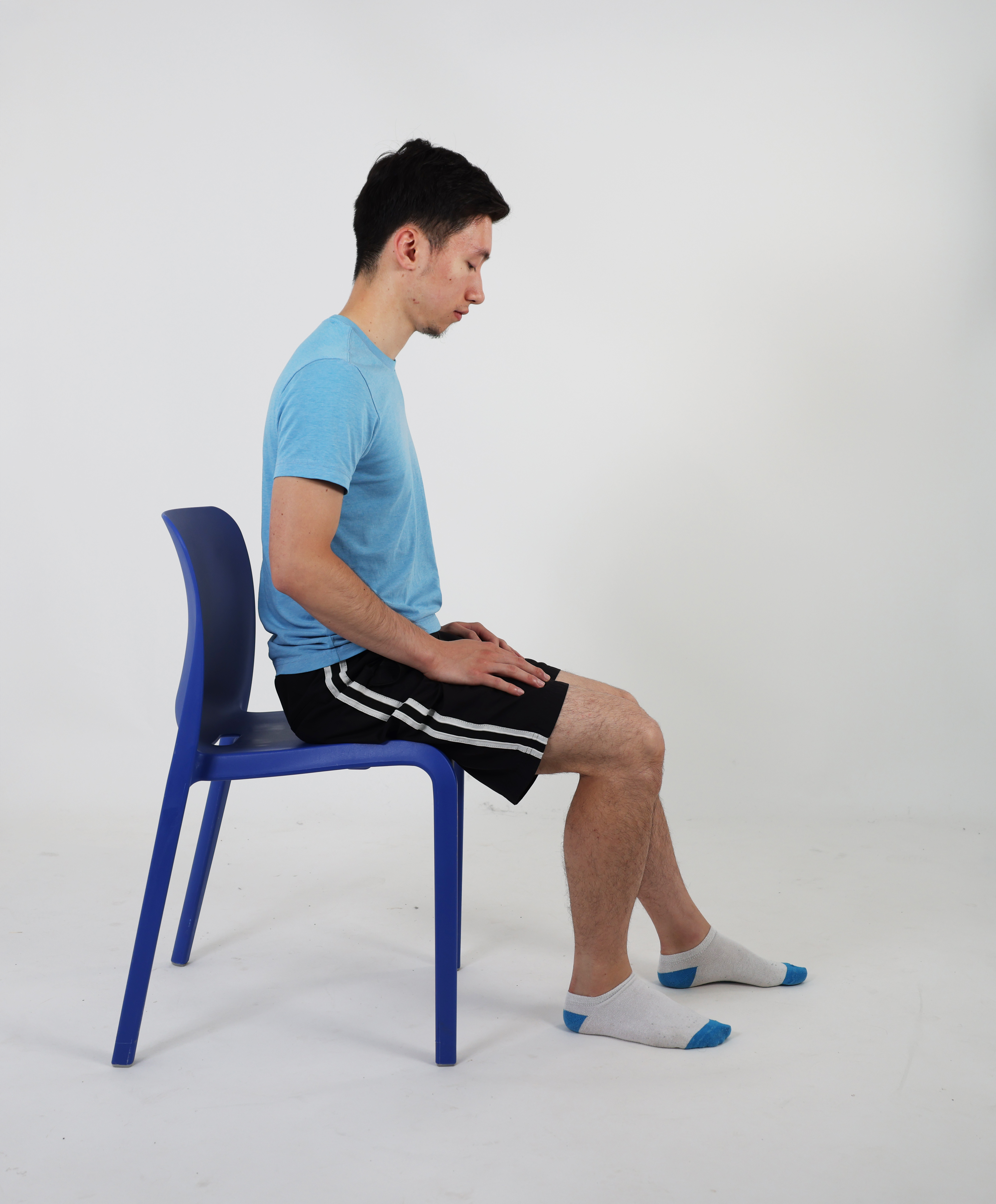
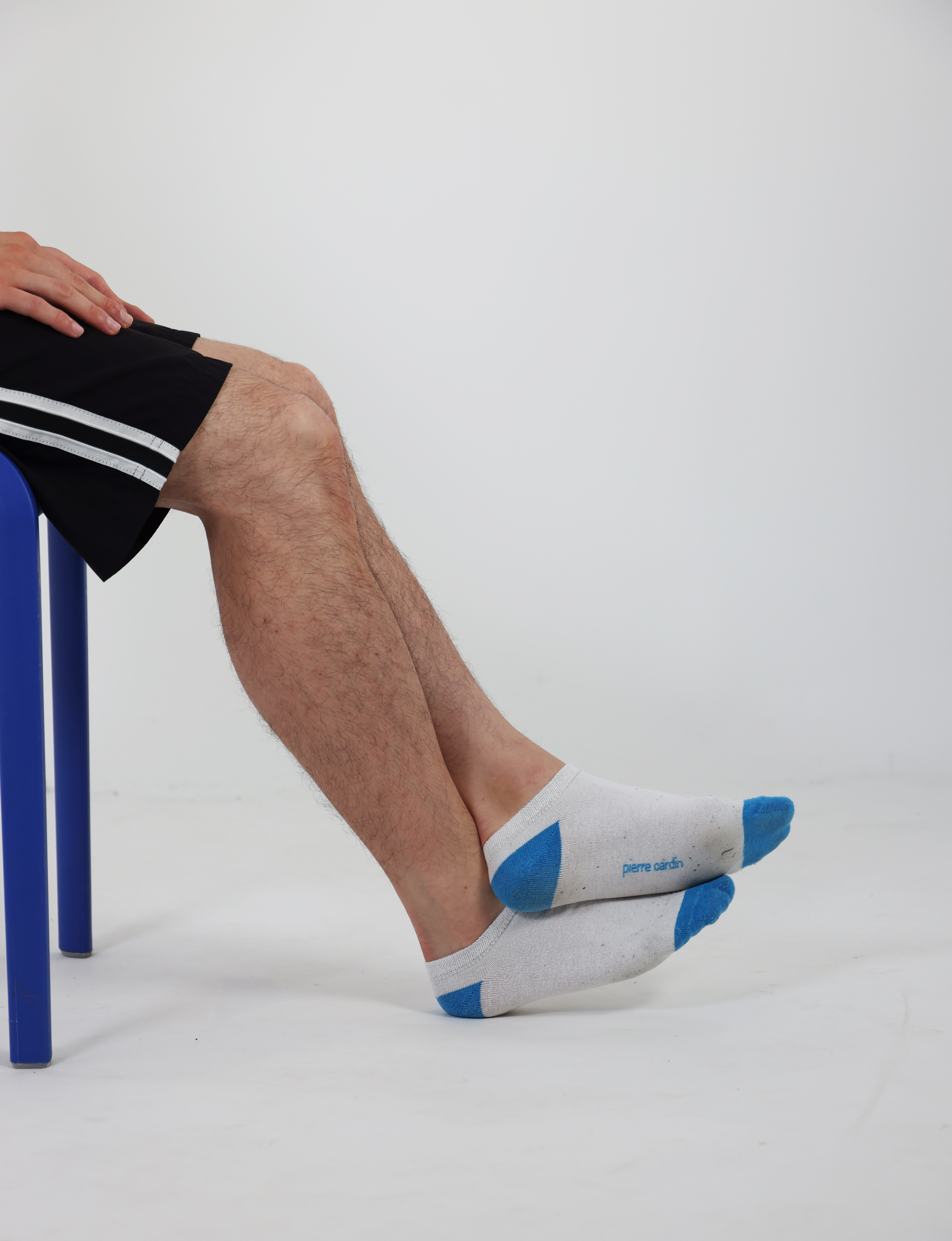
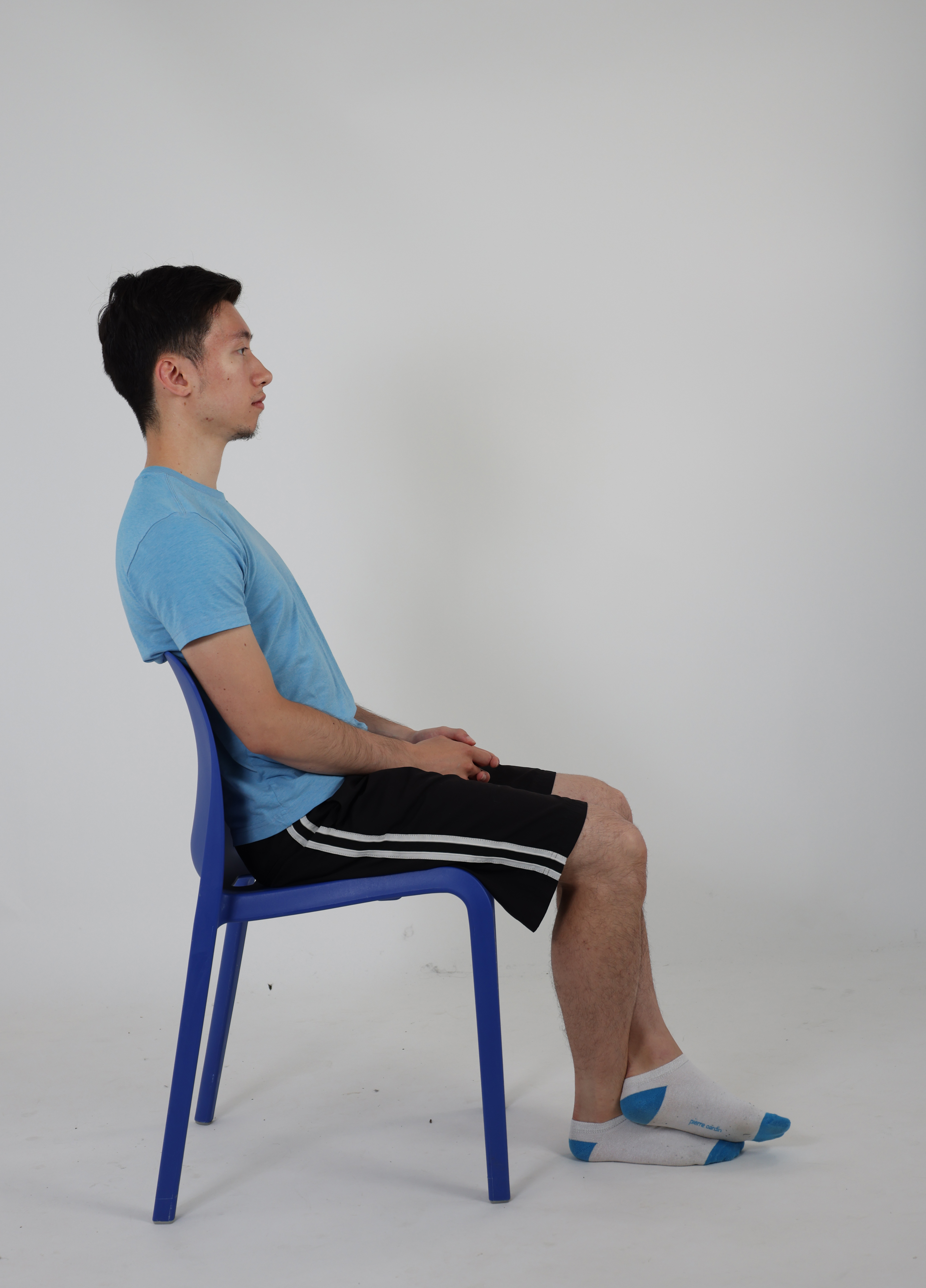
You should do this exercise while sitting on a chair. Bending and straightening your leg once is one repetition.
Do not slide forward nor allow your buttocks to lift up from the chair when you push your knee to bend.
|
Repeat 5-10 times
3 times daily |
|
|
Lying on your back, clench your buttock cheeks together. You may feel yourself lift a little.
|
Repeat 10 times
3 times a day |
|
|
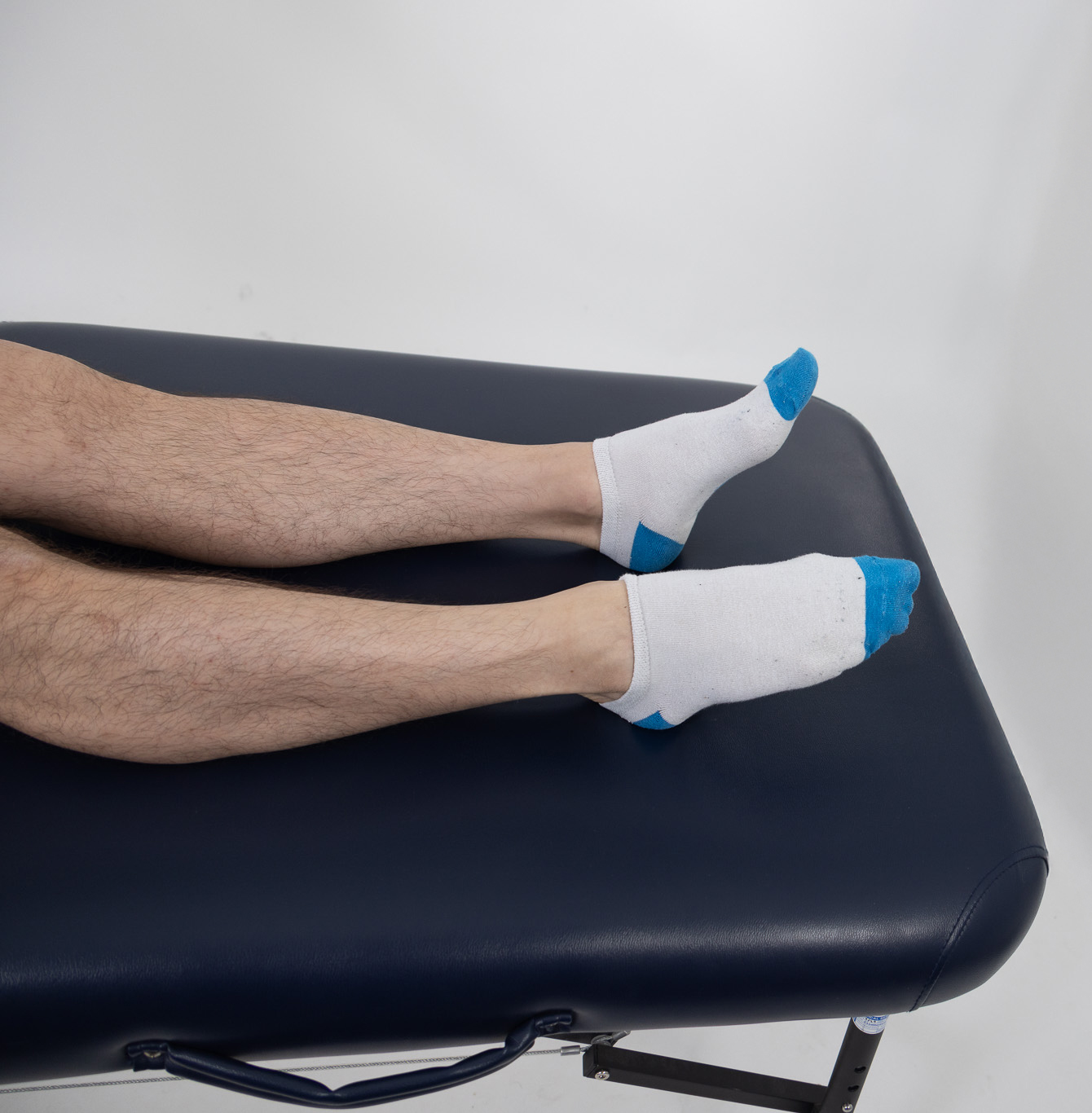
It is essential to keep your foot and ankle moving. Point and flex your foot up and down slowly to feel a stretch in the back of your leg.
|
Repeat 10 times 3 times a day |