Medial Patellofemoral Ligament Reconstruction
What is The Medial Patellofemoral Ligament (MPFL)
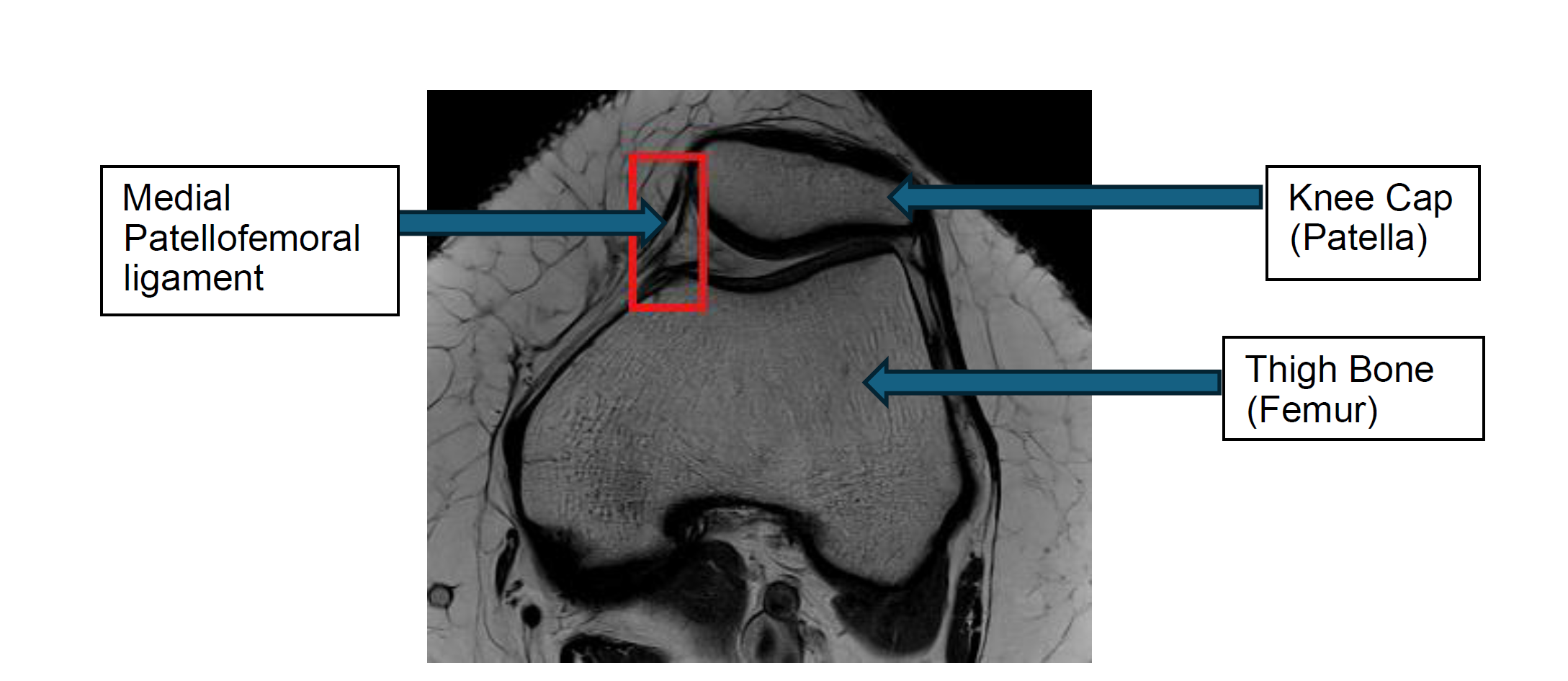
The Medial Patellofemoral Ligament (MPFL) is a band of tissue that connects the inner side of your kneecap (patella) to your thigh bone (femur).
It helps keep the kneecap stable and prevents it from sliding outwards. If the MPFL is torn or stretched, the kneecap may dislocate, causing pain, swelling, and instability.
What is a Medial Patellofemoral Ligament Reconstruction (MPFLR)
Medial Patellofemoral Ligament reconstruction (MPFLR) is a surgical procedure that reconstructs the ligament on the inside (medial side) of the patella (knee cap) to re-establish stability, likely following a tear as a result of a patella dislocation/subluxation.
The MPFL is one of the main stabilisers of the knee cap. The MPFL is usually reconstructed using a graft from a small portion of your own tendon in the same knee. It is occasionally reinforced with a fibre tape (artificial ligament man-made) if you have hypermobility.
Why might I need this surgery?
This procedure is usually recommended if your kneecap (patella) is unstable and subluxes or dislocates out of joint. Usually this happens if you have had a dislocation.
Your Surgeon will have assessed you and your scans and X-rays to assess the reasons why this instability is happening. If the main reason is from the ligament damage, then a reconstruction is indicated. If other factors are identified this will be discussed with you.
This leaflet is for when you have had a Medial Patellofemoral Ligament reconstruction (MPFLR) only.
Benefits
The aim of the surgery is to improve the stability of the kneecap. It aims to reduce the risk of future dislocations. This will allow you to get a better function and confidence in your knee.
The Procedure
A new ligament is created using a small piece of tendon (often from your hamstring or adductor tendon or a donor graft or fibre tape (synthetic).
The graft is fixed to the kneecap and thigh bone with surgical anchors or screws.
The procedure is usually performed under general anaesthetic and takes about 1–2 hours.
Risks
As with any operation, there are potential risks involved but the chances of complications occurring is very low.
These include:
- Risk associated with general anesthetic – this can be discussed with your anaesthetists
- Wound problems such as slow healing, oozing and infection that may require antibiotics <2%
- Stiffness requiring extensive physiotherapy or a Manipulation within 12 weeks of your surgery <5%
- Blood clots requiring 6 months treatment with blood thinning tablets and sometimes causing long-term leg swelling or severe breathing problems < 1%
- Nerve or vessel damage
- It is normal to have some numbness around the scar and to have swelling of your knee after the operation
- There is a chance that despite the operation the patella is still a bit unstable. If this is the case, further procedures may be required at a later stage.
Your surgeon will discuss these risks with you and explain how they are minimised.
What happens after surgery?
After the operation, you will be allowed to fully weight bear on the operated leg straight away, but you may need additional support for example crutches.
Bending and straightening of the knee is encouraged from the start to minimise stiffness and weakness. This will be discussed with you, guided by the surgeons' instructions. Occasional movement limitation and use of a brace is required. You will be given exercises and advice before you are discharged. Exercises will help restore movement and strengthen the quadriceps muscles and should be done regularly.
It is not unusual to have pain and swelling for a number of weeks following this surgery. Use pain relief, ice and activity modification to control the pain and swelling.
You should aim for full movement in your knee by 6 weeks after your operation.
Returning to activity
Driving: Not usually before 6 weeks. You must have stopped using crutches, be able to sit comfortably and have good movement and strength to perform an emergency stop. The law states you should be in complete control of the car at all times, and it is your responsibility to ensure this and inform their insurance company.
Work: You may consider return to work at 12 weeks with a phased return recommended if involving manual work. If sedentary job can return as feels able and not detrimental to adhering to rehabilitation (usually after 6 weeks).
Sports: typically, after 6–12 months depending on the sport, once strength and stability are restored. Static bike can be started from 7 weeks, Front Crawl 7 weeks and Breaststroke from 13 weeks.
Follow-up care
You will have follow-up appointments to check healing and progress with your surgical team commonly 6 weeks after your operation. Physiotherapy review is usually arranged approximately 2-3 weeks after your surgery to review your movement and muscle function.
You must contact us if you have not received a Physiotherapy appointment within 2-3 weeks after your surgery.
Exercises
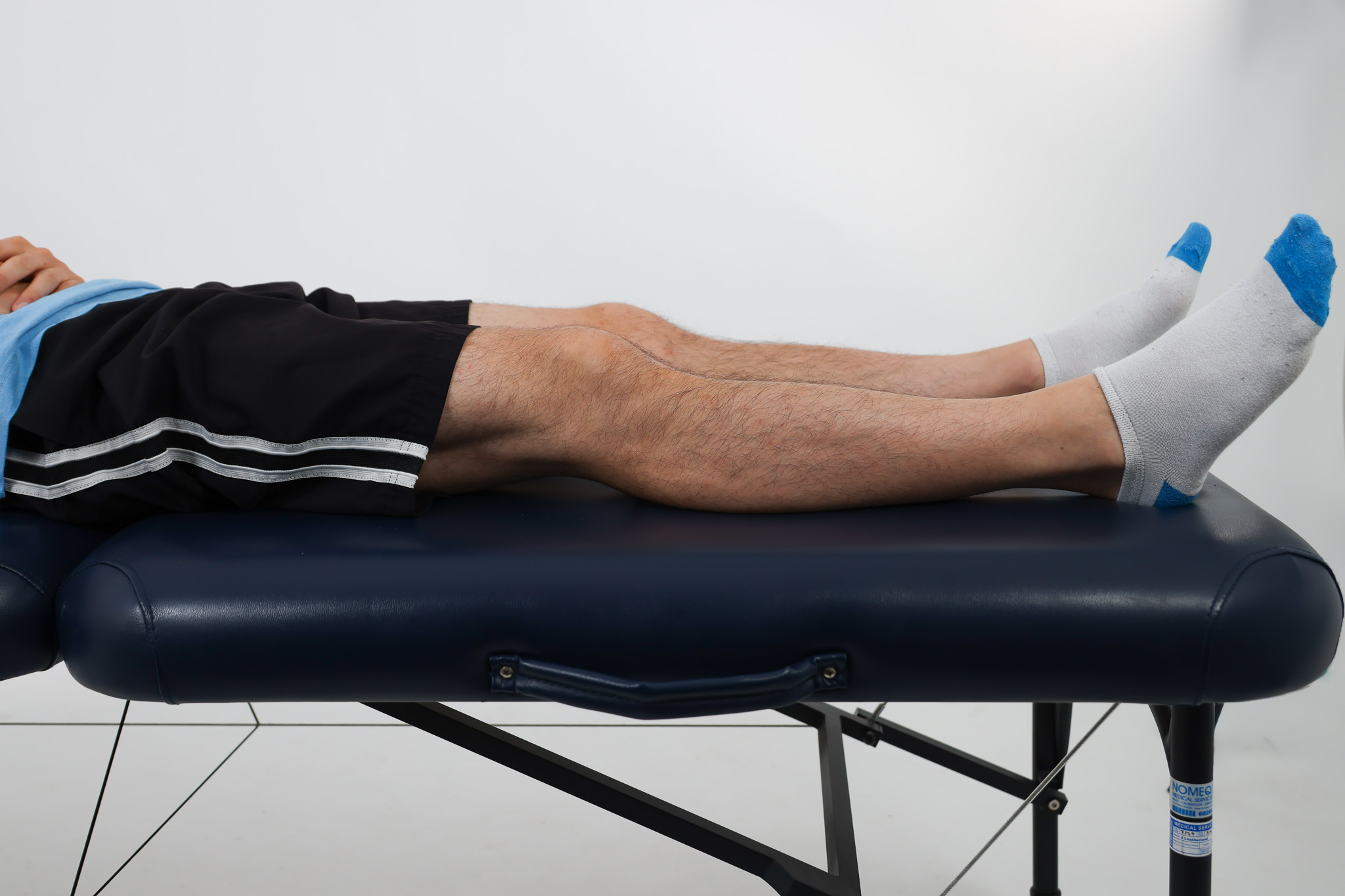 |
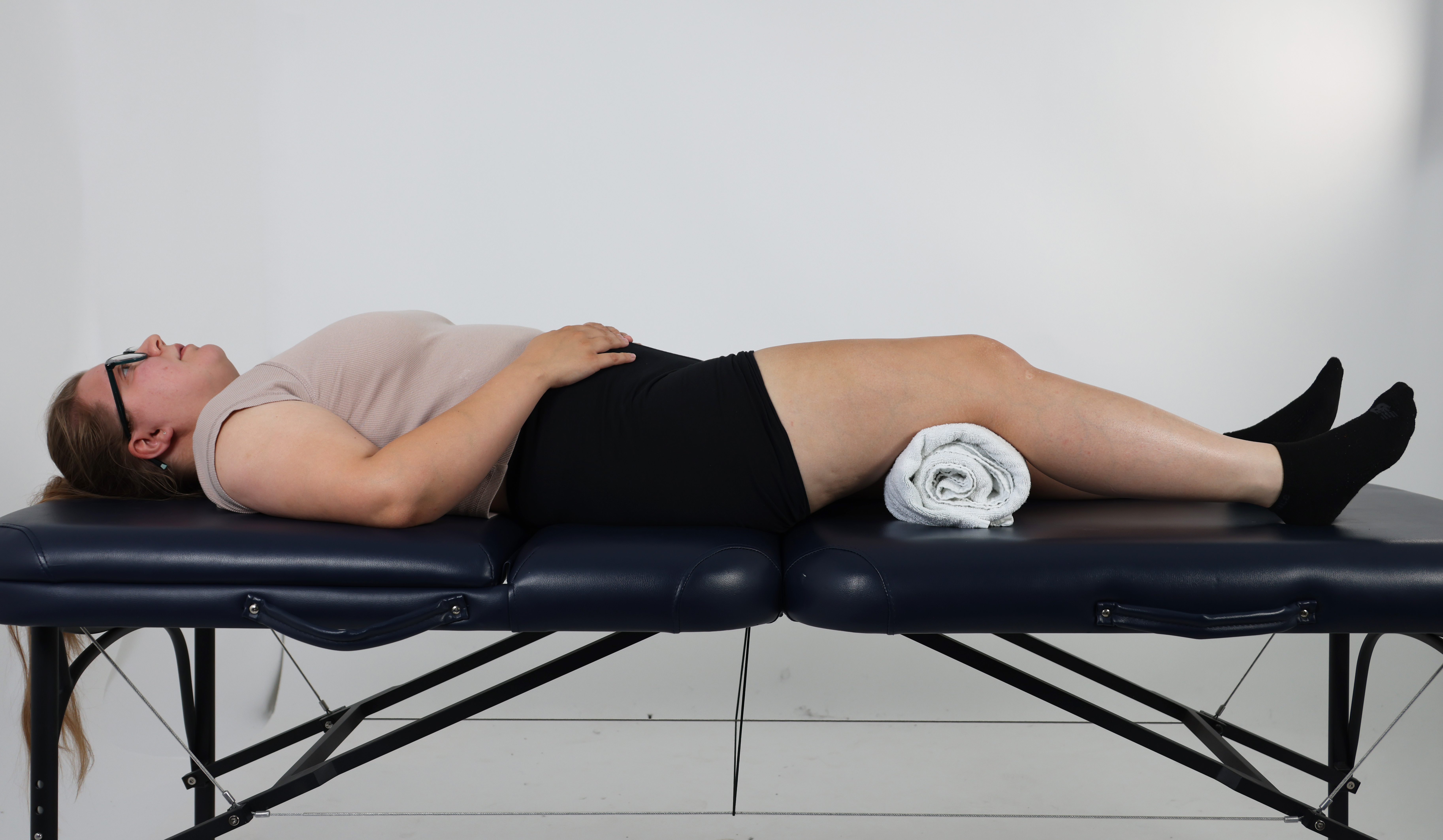
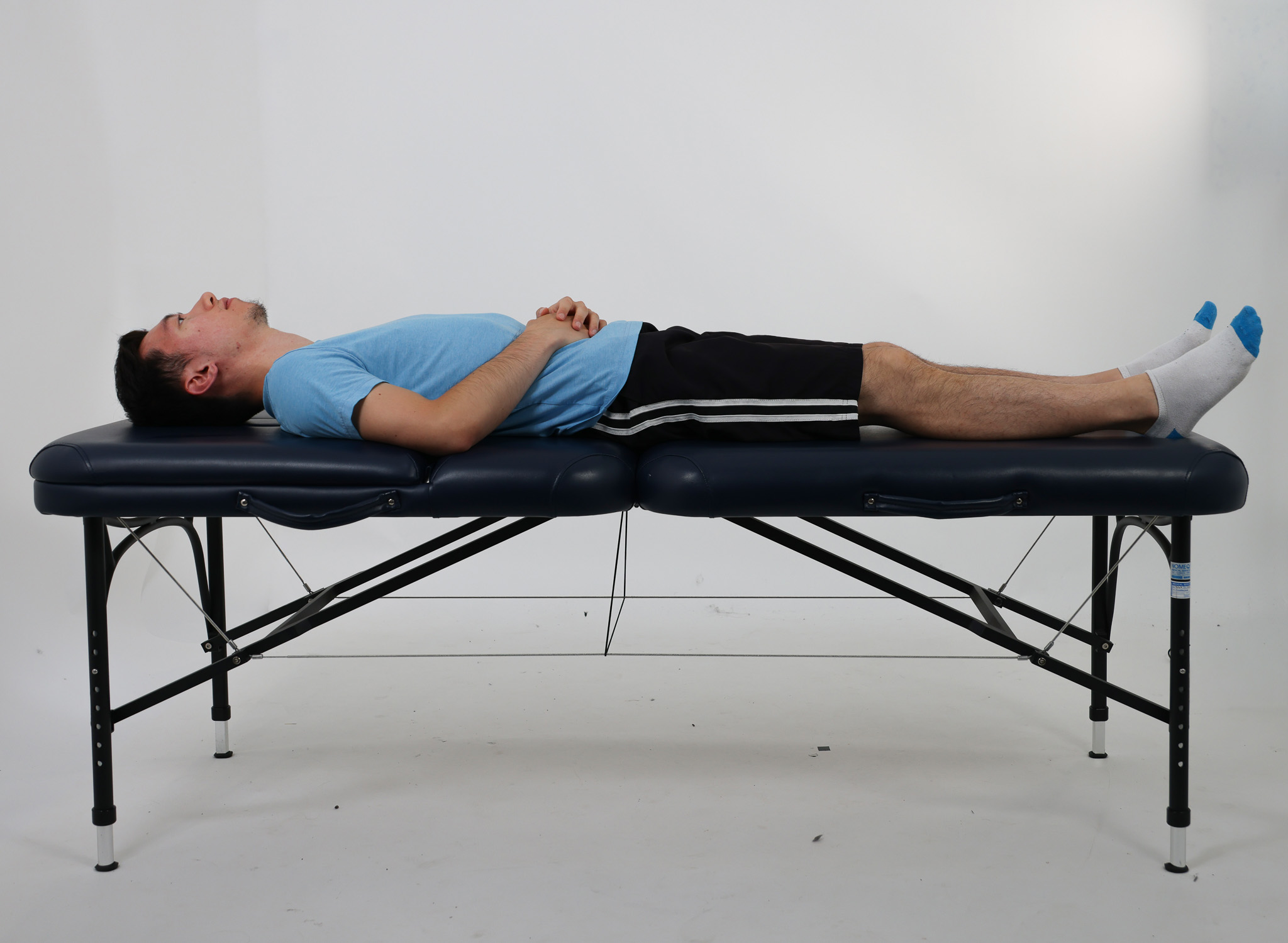
You should do this exercise while lying down. A good place to do this exercise is on your bed. Contracting your muscle and holding once is one repetition.
|
Repeat this 10-12 times 3 times daily |
|
|
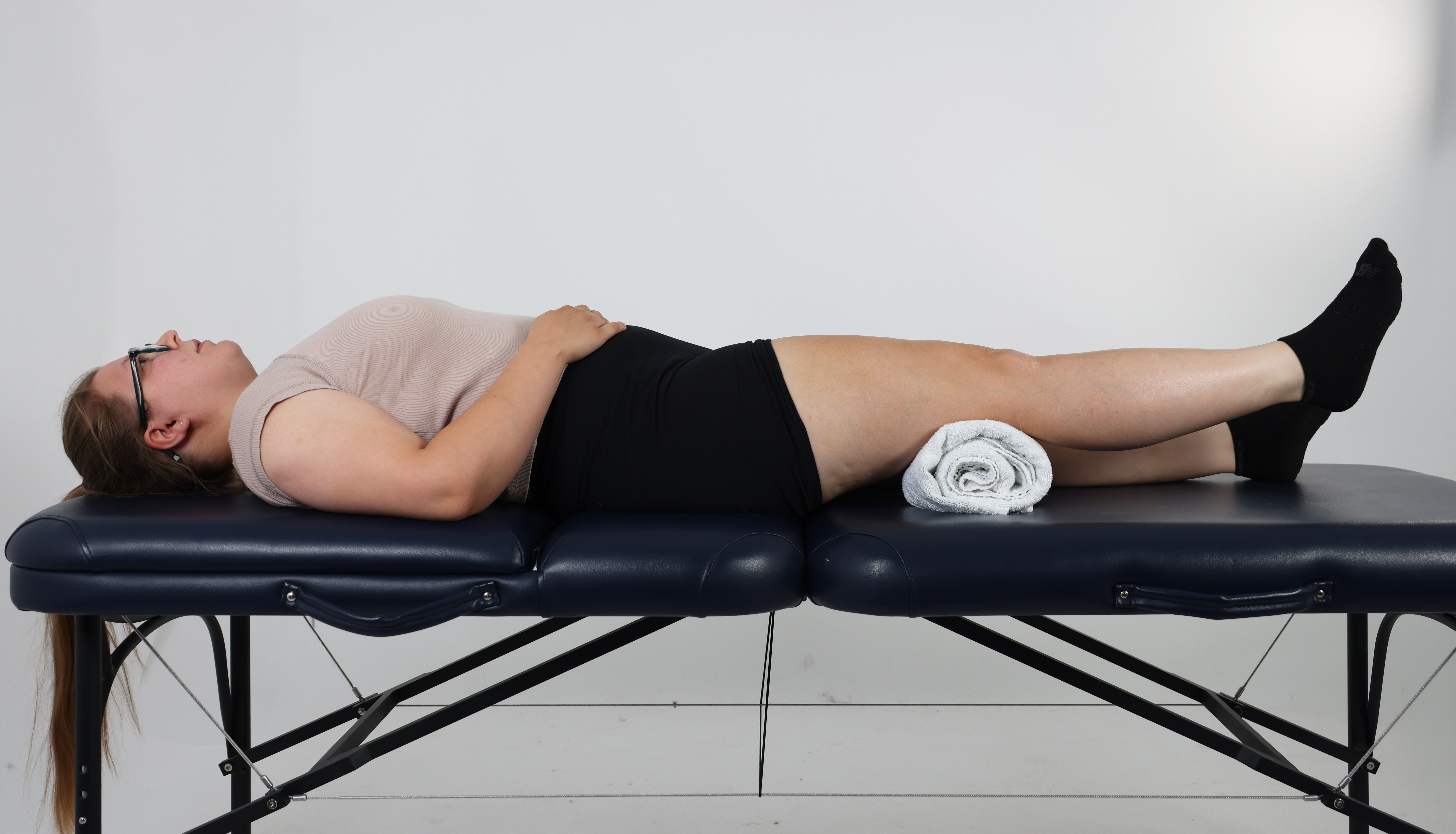
You should do this exercise while lying down. A good place to do this exercise is on your bed. Lifting and holding your leg once is one repetition.
|
Repeat this 10-12 times 3 times daily |
|
|
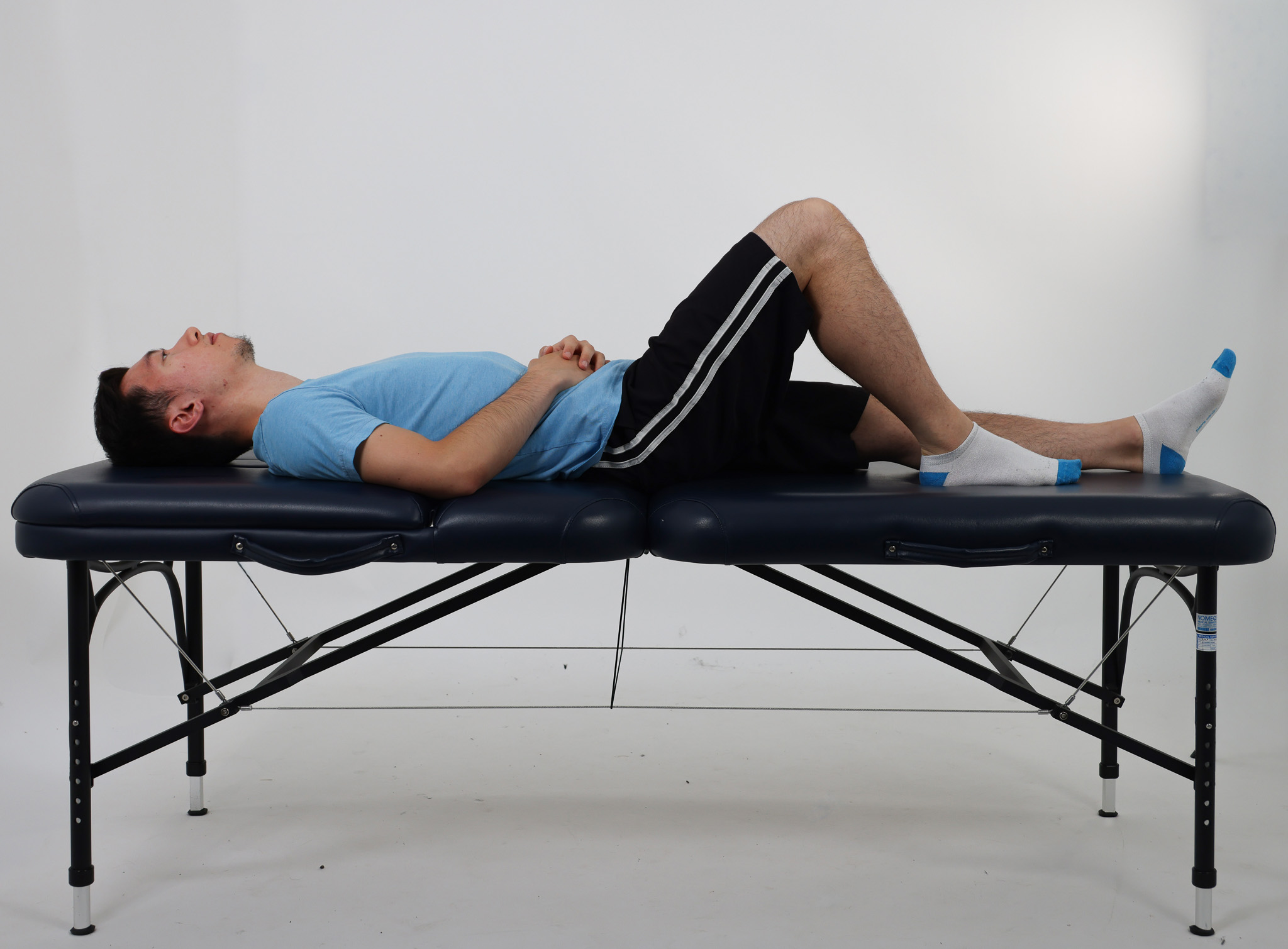
You should do this exercise while lying down. A good place to do this exercise is on your bed. Bending and straightening your leg once is one repetition. Start with your leg straight, slowly bend your leg by sliding your foot along the floor/bed towards you as far as comfortable. Hold this position for 2 seconds before straightening your leg. |
Repeat 5-10 times
3 times daily |
|
|
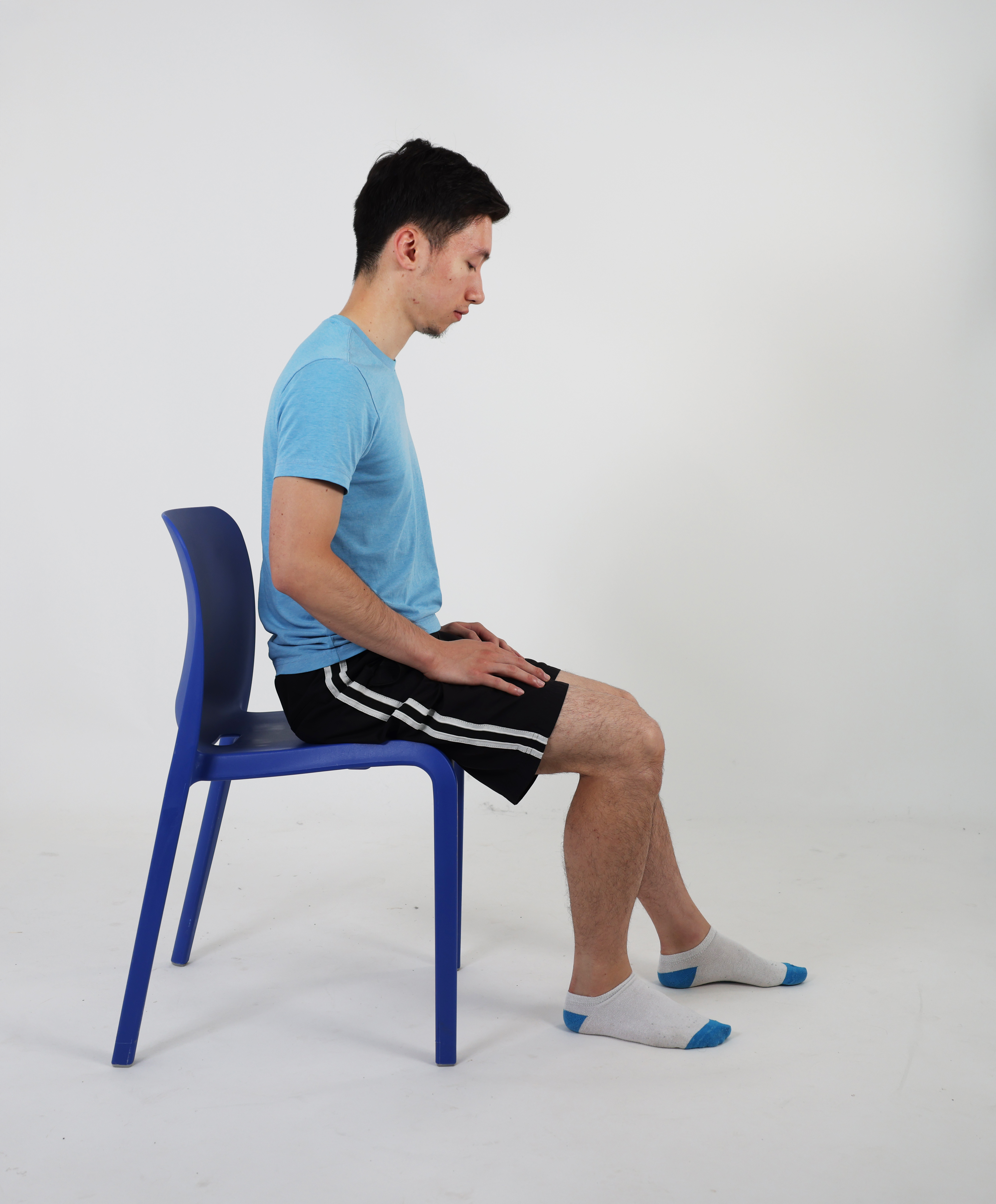
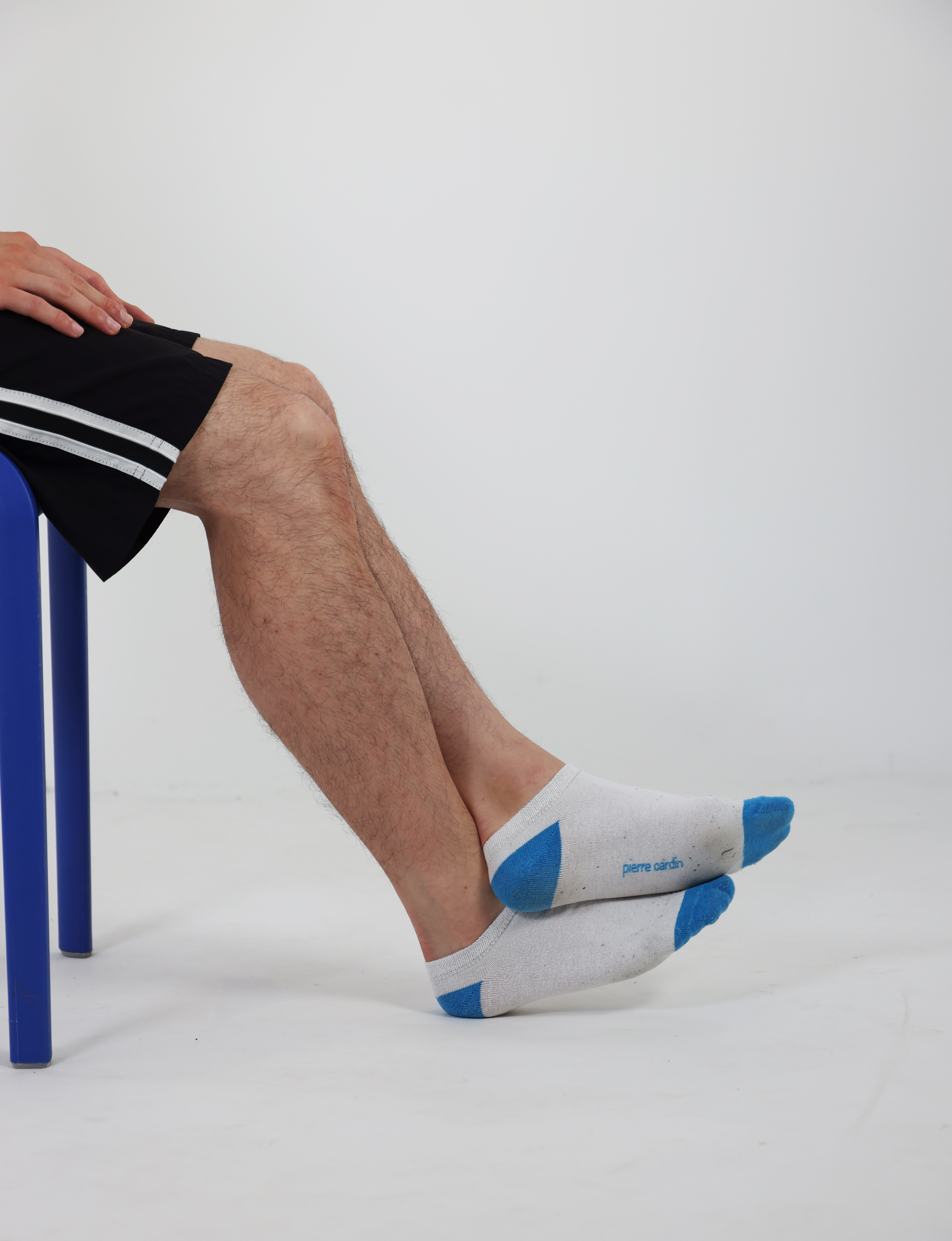
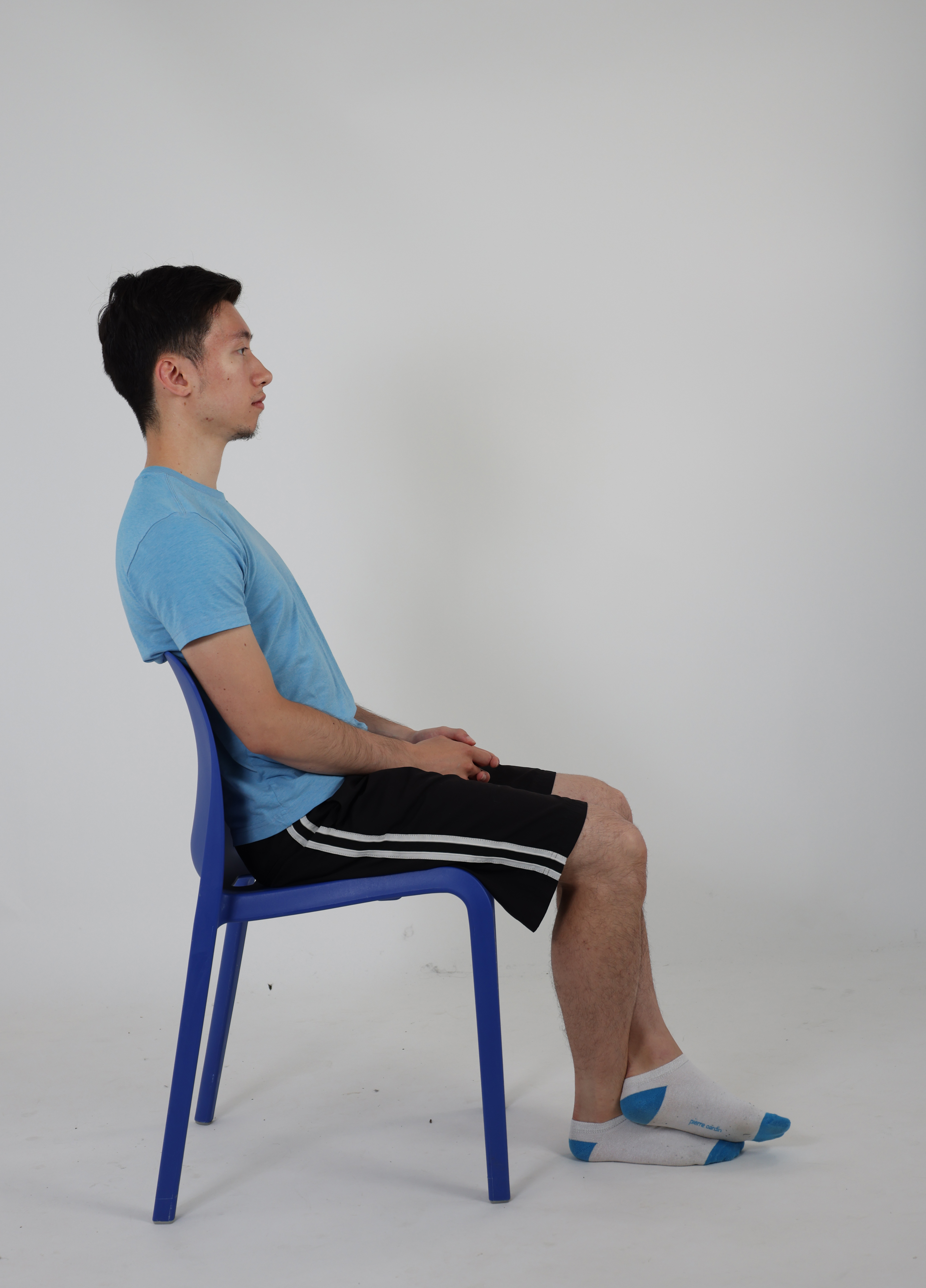
You should do this exercise while sitting on a chair. Bending and straightening your leg once is one repetition.
Do not slide forward nor allow your buttocks to lift up from the chair when you push your knee to bend.
|
Repeat 5-10 times
3 times daily |
|
|
Lying on your back, clench your buttock cheeks together. You may feel yourself lift a little.
|
Repeat 10 times
3 times a day |
|
|
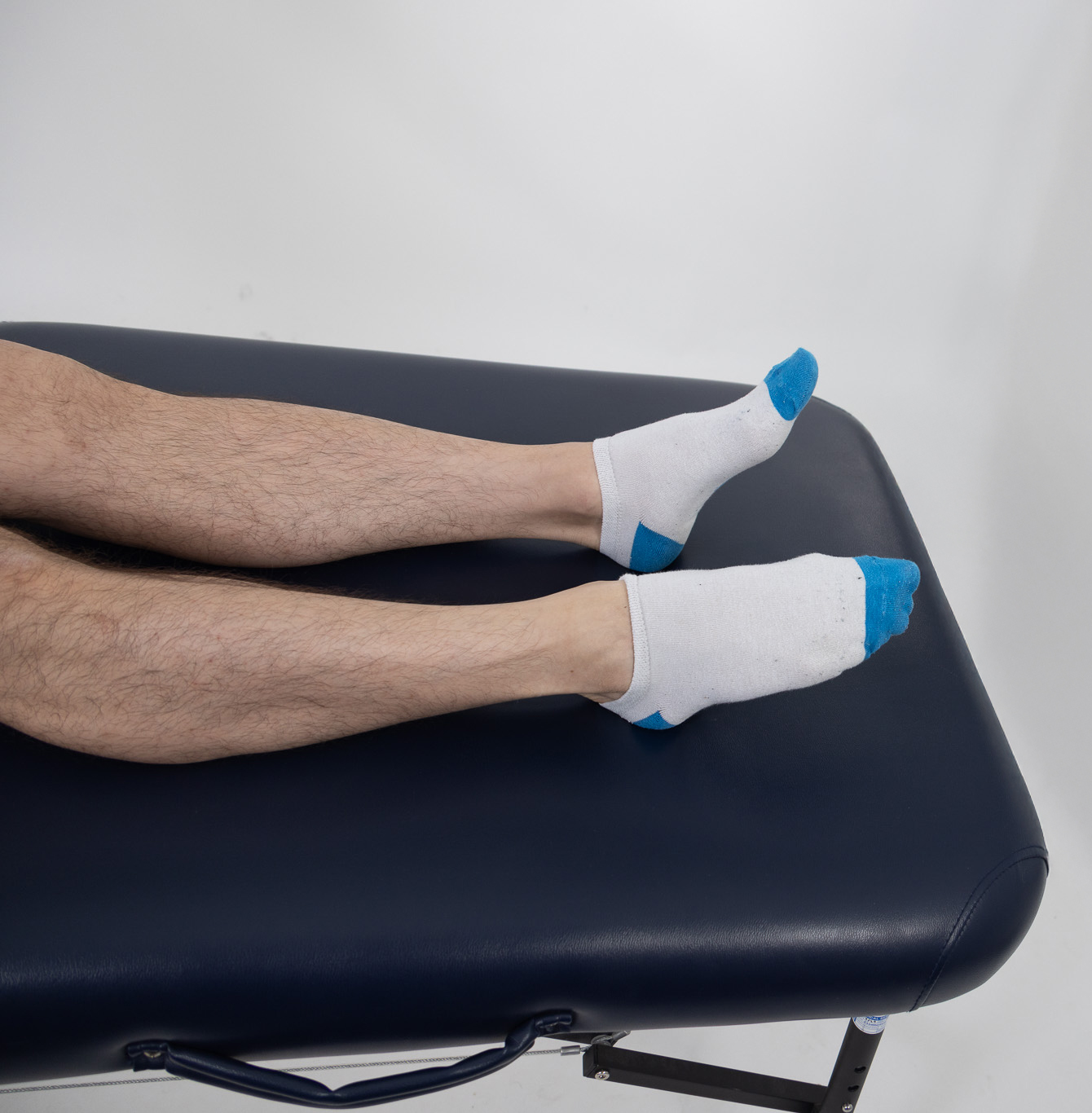
It is essential to keep your foot and ankle moving. Point and flex your foot up and down slowly to feel a stretch in the back of your leg.
|
Repeat 10 times 3 times a day |