Trochleoplasty
What is the trochlea of the knee?
As you bend and straighten your leg, the patella, or knee cap, glides in a groove at the end of your thigh bone (femur) known as the trochlear groove. The main function of the patella is to increase the strength of your quadriceps muscle that extends (straightens) your knee.
The shape of the trochlea provides a groove for the patella to track smoothly within as the knee bends, while also providing added stability to the knee joint.
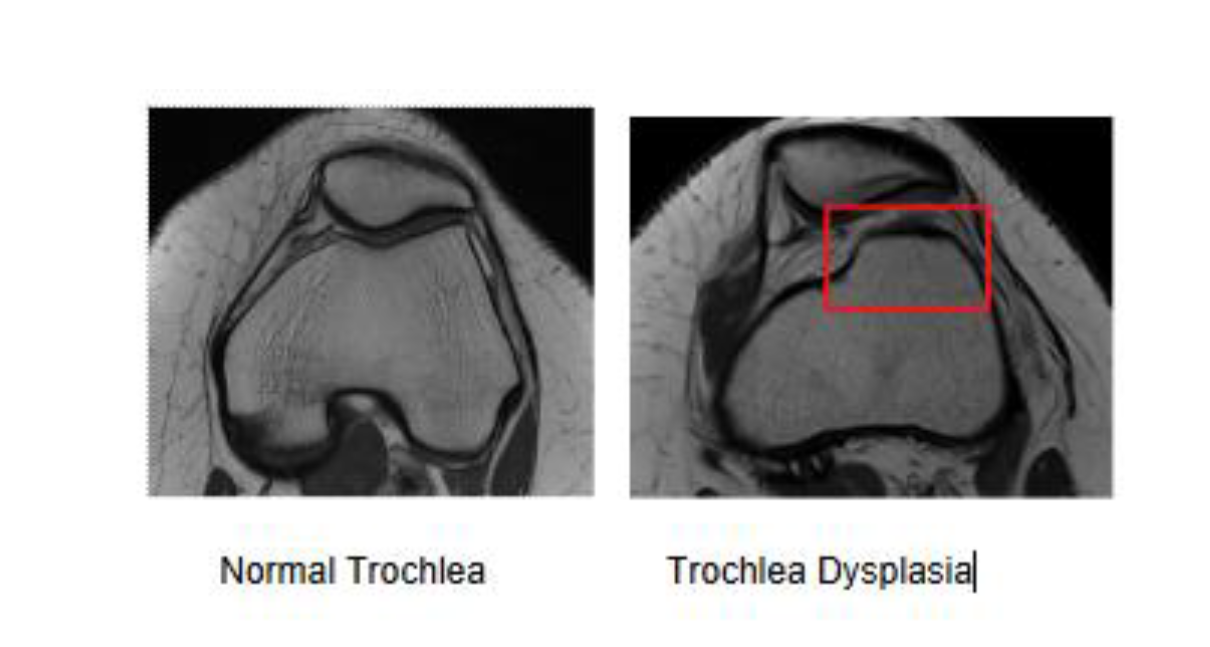
What is trochlea dysplasia?
An abnormally shaped trochlear groove is known as trochlear dysplasia, and is one of the main factors causing patellar dislocation or instability. In this condition the trochlea can be either flat or dome shaped (as shown in the example image above). Therefore, the trochlea is too shallow for the patella, and hence does not provide the normal bony support for stability, causing the patella to slip out of the groove or dislocate. This can give patients a sensation of giving way and anxiety when performing daily and sports activities. In the long term, the abnormal movement of the patella on the femur can lead to the development of wear of your joint cartilage surface potentially developing into osteoarthritis.
What is trochleoplasty?
Trochleoplasty is a surgical procedure that creates a deeper groove in the trochlea to prevent recurrent patella dislocations, and the associated pain and disability. A thin flap of the cartilage in your knee joint will be lifted away to expose the bone beneath it. This area of bone will then be reshaped to create a new groove. The flap of cartilage will then be laid back down. The cartilage is usually malleable enough that it conforms to the shape of the new groove that was created. The flap will then be fixed in place with some dissolvable suture tape or pins. Some patients may need additional surgical procedures such as ligament reconstruction to improve the stability of the patella or an osteotomy (boney alignment surgery) to further improve the position of the patella in the new groove.
Benefits and outcomes of the surgery
Approximately 90% of people who undergo trochleoplasty are happy with the result. It is a very reliable procedure for stabilising the patella, with many people being able to lead a more active lifestyle after the surgery. Often, the knee is more comfortable than before. Most patients experience fewer symptoms during activities of daily living and an improved quality of life.
Risks
As with any operation, there are potential risks involved but the chances of complications occurring is very low.
These include:
- Risk associated with general anesthetic – this can be discussed with your anaesthetists
- Wound problems such as slow healing, oozing and infection that may require antibiotics <2%
- Stiffness requiring extensive physiotherapy or a Manipulation within 12 weeks of your surgery <5%
- Blood clots requiring 6 months treatment with blood thinning tablets and sometimes causing long-term leg swelling or severe breathing problems < 1%
- Nerve or vessel damage
- It is normal to have some numbness around the scar and to have swelling of your knee after the operation
- There is a chance that despite the operation the patella is still a bit unstable. If this is the case, further procedures may be required at a later stage.
What happens after surgery?
After the operation, you will be allowed to fully weight bear on the operated leg straight away but with additional support is necessary in the form of crutches or a brace.
Bending and straightening of the knee is encouraged from the start to minimize stiffness and weakness. The amount of movement you are allowed will discussed with you by your physiotherapist, guided by the surgeons' instructions.
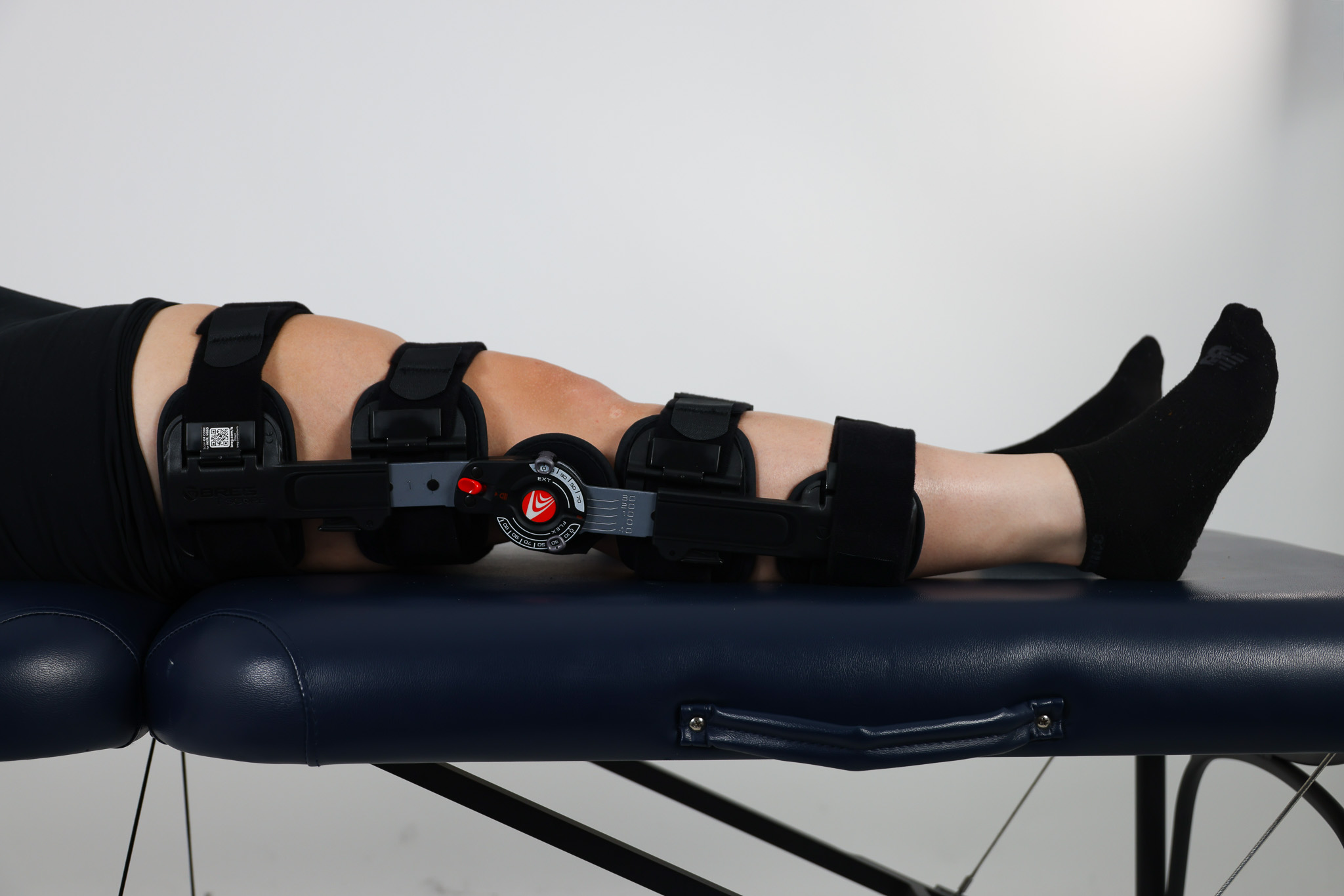
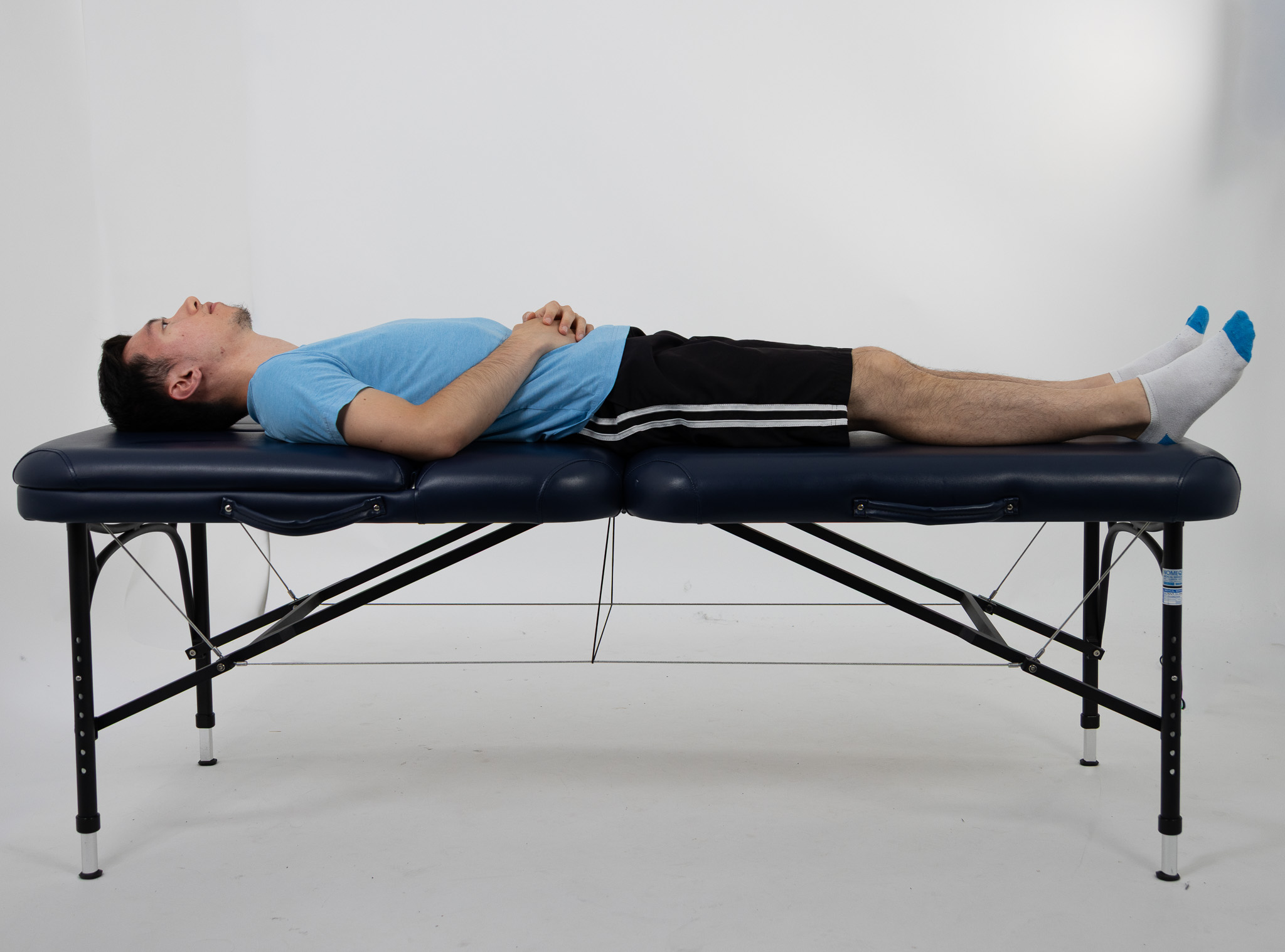
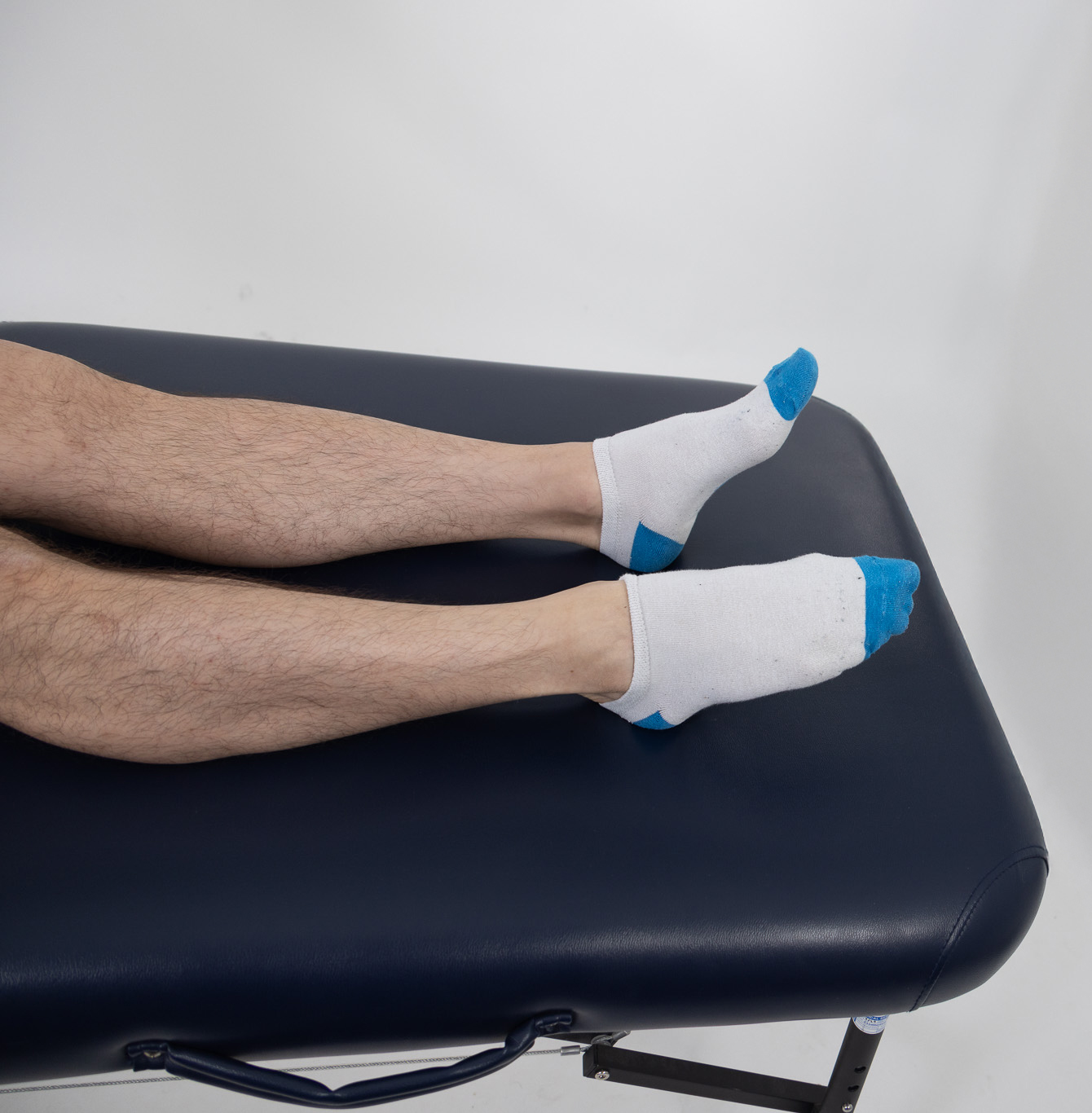
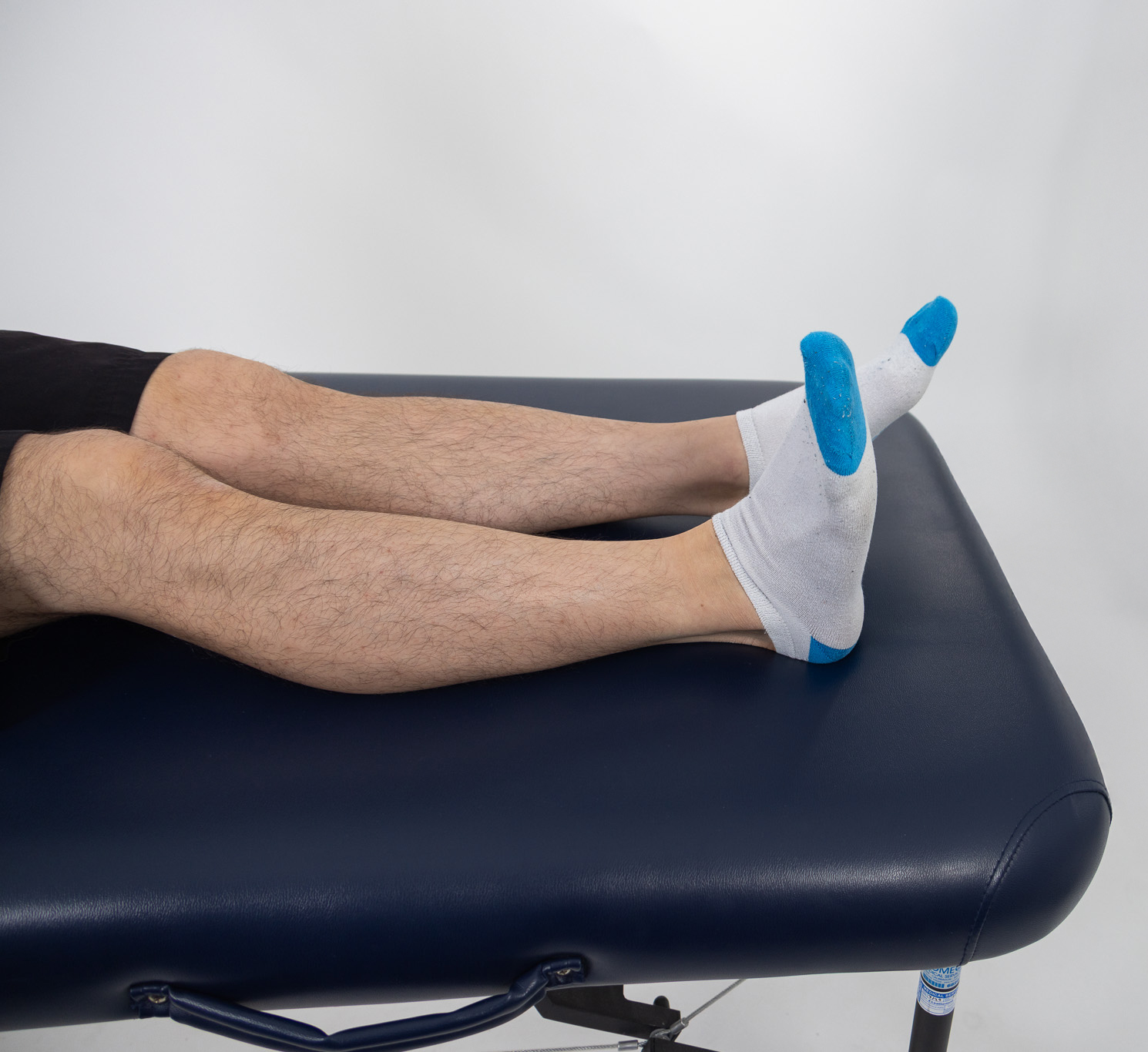
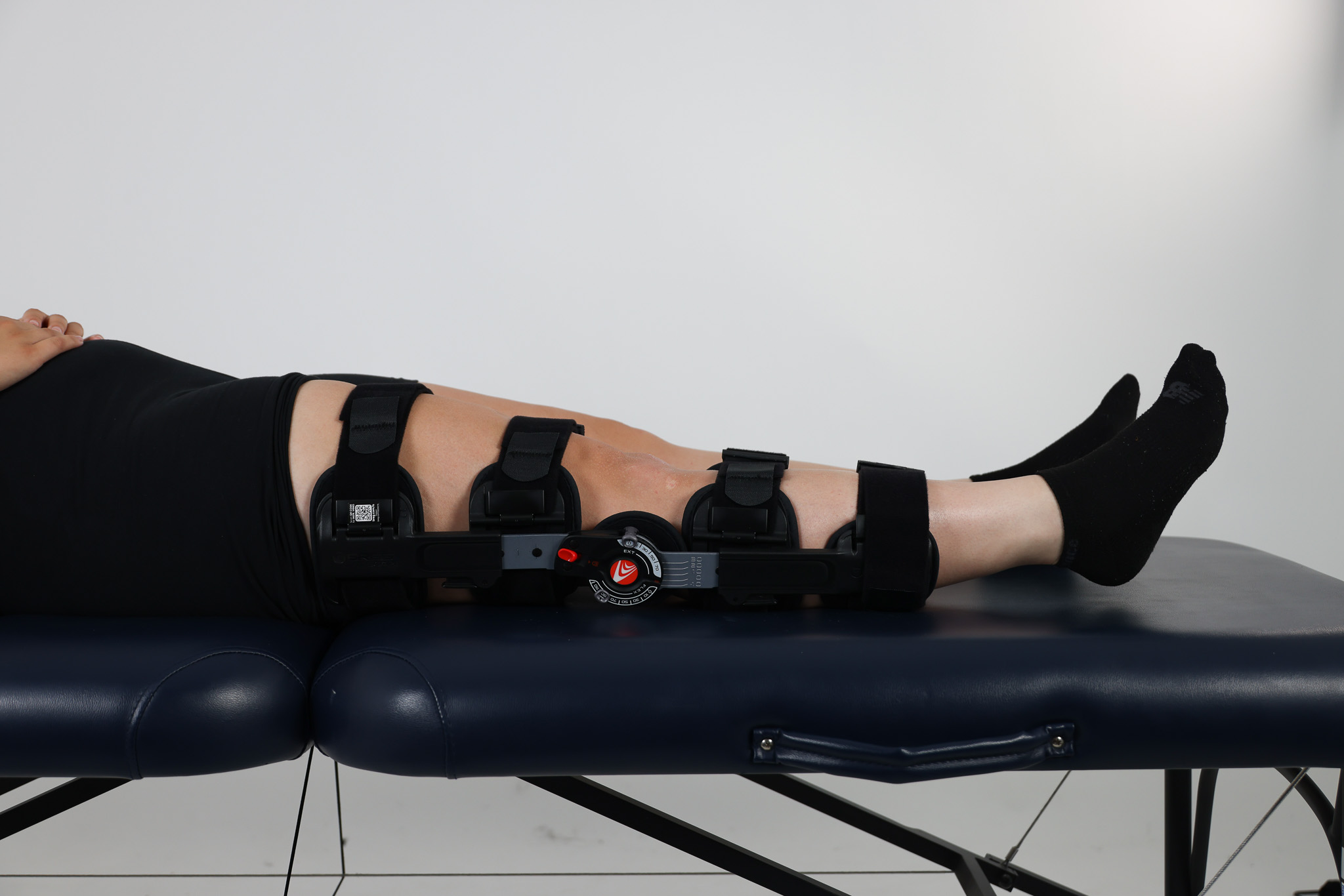
To help the trochlea heal and mold it is recommended that you rest your knee in 20-30 degrees of flexion out of the brace for the first 2 weeks. The brace needs to stay on in bed and locked into extension to mobilise, your physiotherapist will go through this with you before discharge.
Picture of leg resting 20-30 degrees
Post operative pain and swelling is not unusual up to 4 months after the operation. Ensure you take regular painkillers, rest the leg and apply ice to help for the pain. Muscle weakness and loss of muscle bulk particularly the quadriceps is very common also but improves post operatively with regular physiotherapy and home exercise.
Physiotherapy commences immediately after the operation, working on regaining range of movement and muscle strength. While the rehabilitation program may differ depending on the individual and procedures undertaken, the general goal is to gradually increase your movement, regain strength and level of activity under the guidance of your physiotherapist.
You must contact us if you have not received an appointment within 2 weeks after your surgery.
You should aim to recover flexion over 90 degrees by 6 weeks post-op and wean off the knee brace form 6 weeks.
It is recommended that you take a minimum of 3-4 weeks off work if sedentary job, up to 3 months if physical job and about 6 months before before returning to sporting activities.
You will not be allowed to drive for at least 6 weeks
Follow-up care
You will be given exercises and advice from the physiotherapy team before you are discharged. Regular physiotherapy visits will start a few weeks after your procedure, it is essential that you attend regularly to prevent stiffness and improve your movement and strength.
You will also have follow-up appointments in outpatients with the consultant’s team at approximately the following times depending on the procedure:
• 6 weeks
• 4 months
• 6-12 months
Exercises
 |
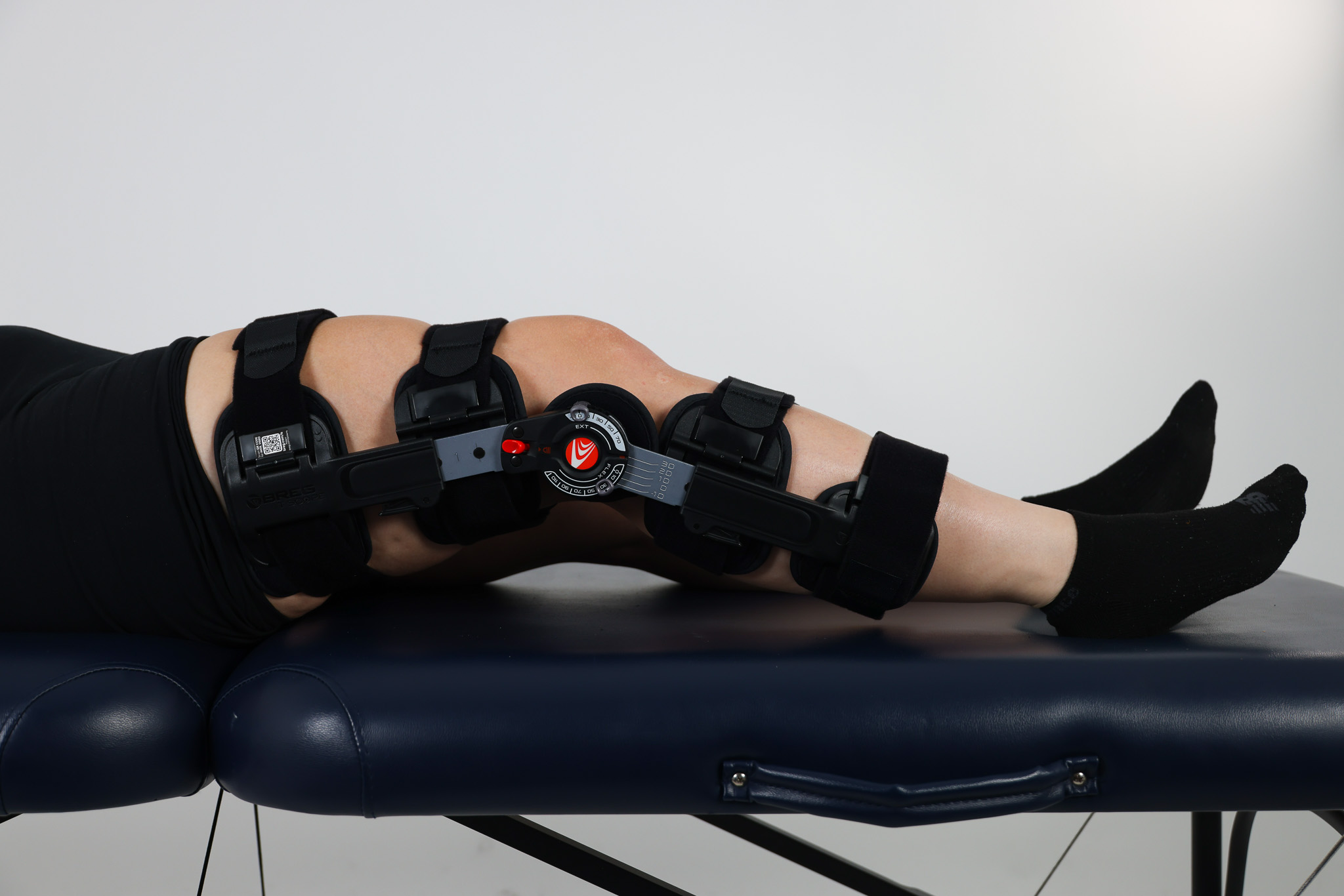
You should do this exercise while lying down. A good place to do this exercise is on your bed. Lifting and holding your leg once is one repetition. Start with your leg straight and tighten your thigh muscle and gentle push the back of your knee into the bed. Hold for 10 seconds and then relax your leg.
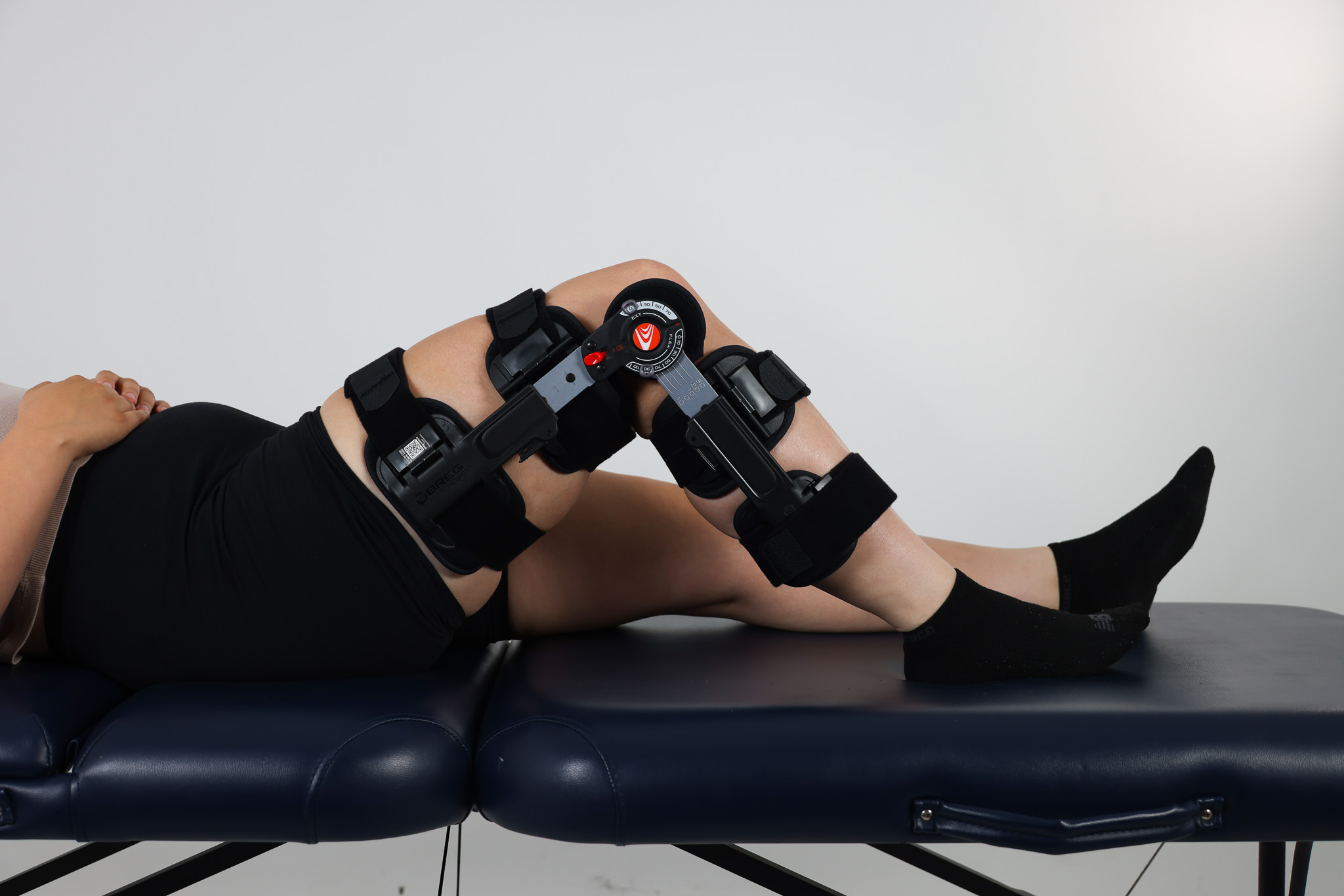
(Depending on your operation and surgeon’s instructions you may or may not be in a brace. If you have been instructed and receive a brace do the exercises in the Brace) |
Repeat this 3-5 times 3 times daily |
|
|
You should do this exercise while lying down. A good place to do this exercise is on your bed. Bending and straightening your leg once is one repetition. Start with your leg straight, slowly bend your leg by sliding your foot along the floor/bed towards you as far as comfortable (or as far as your brace allows). Hold this position for 2 seconds before straightening your leg. |
Repeat this 5-10 times 3 times daily |
|
|
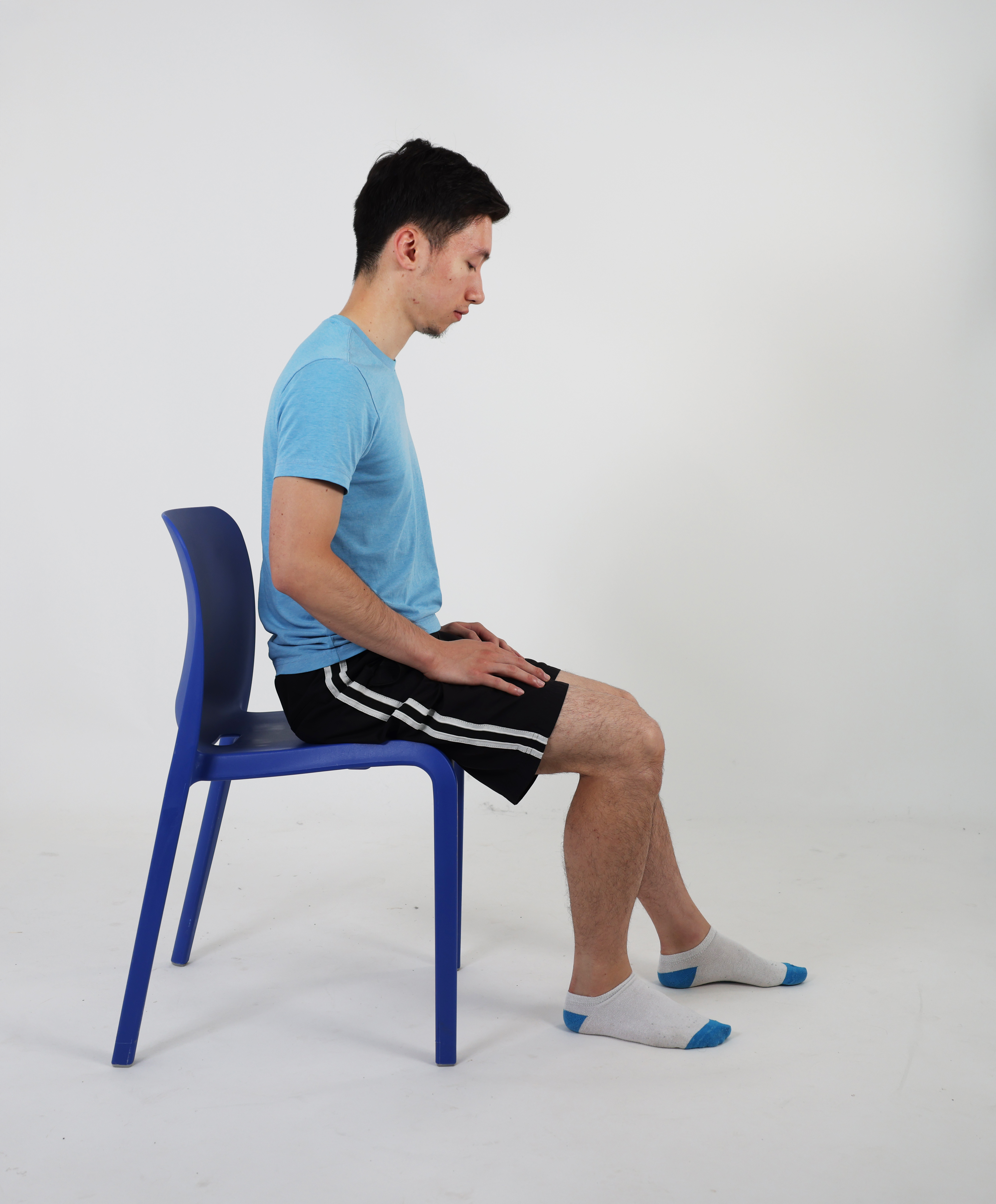
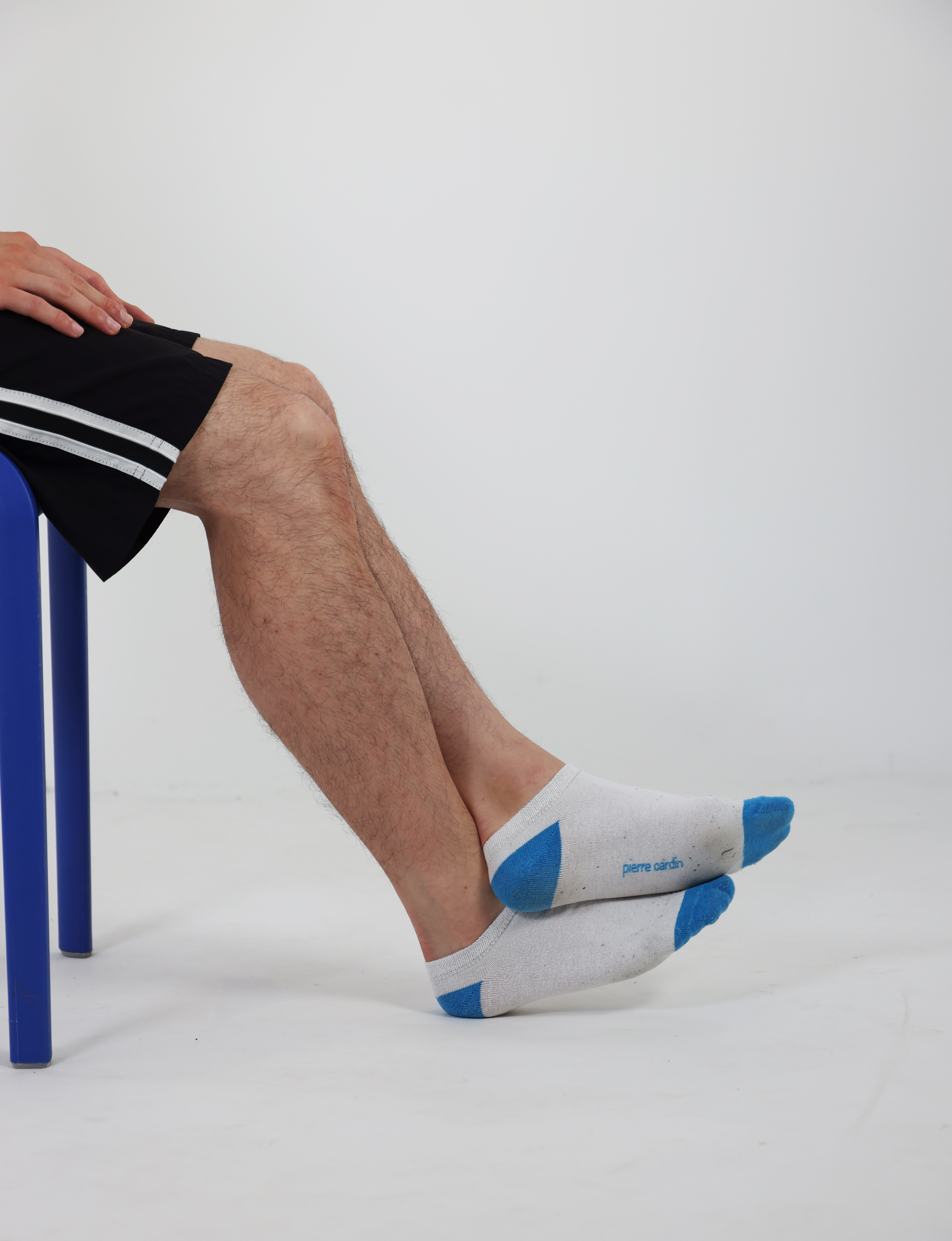
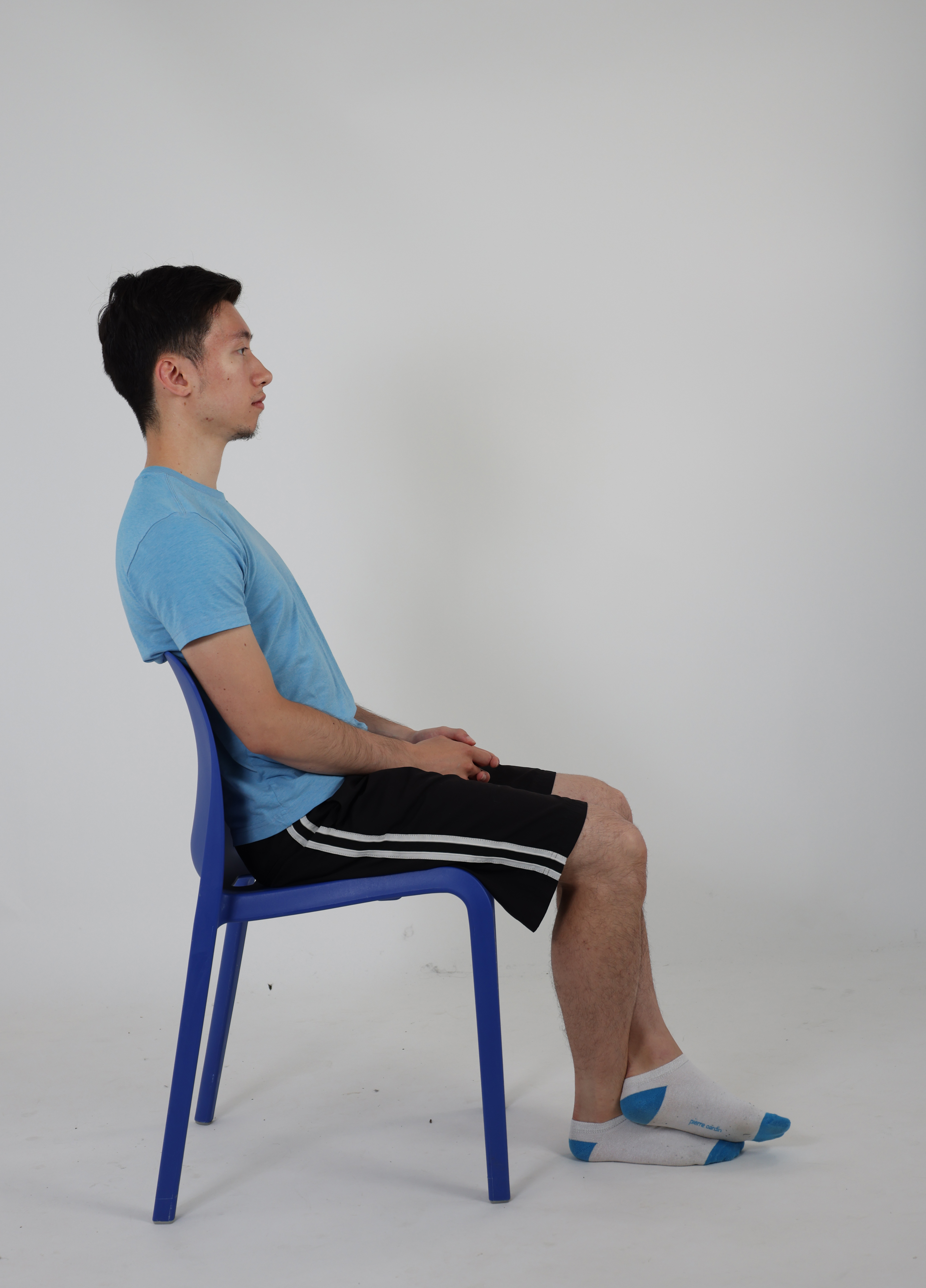
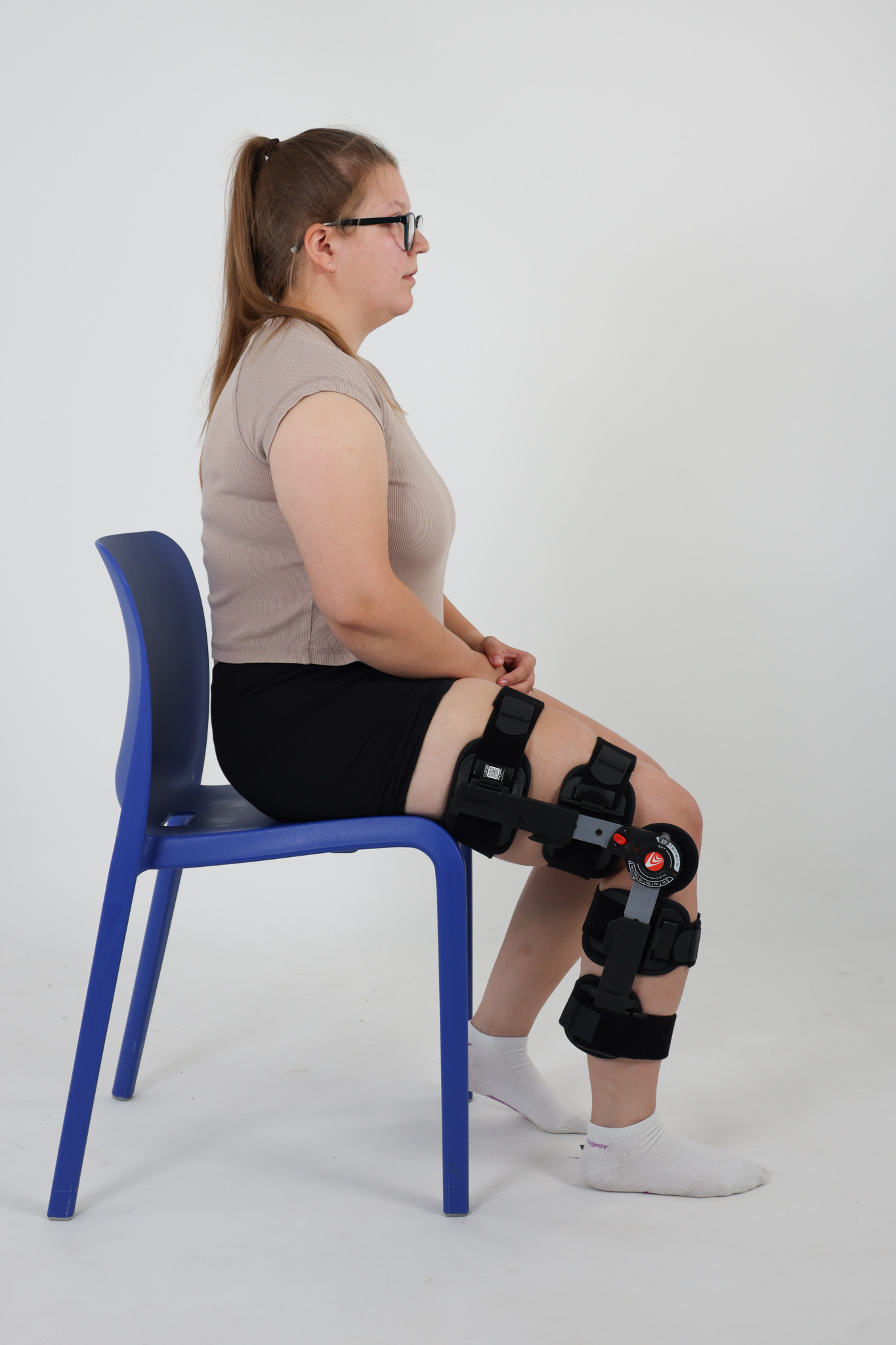
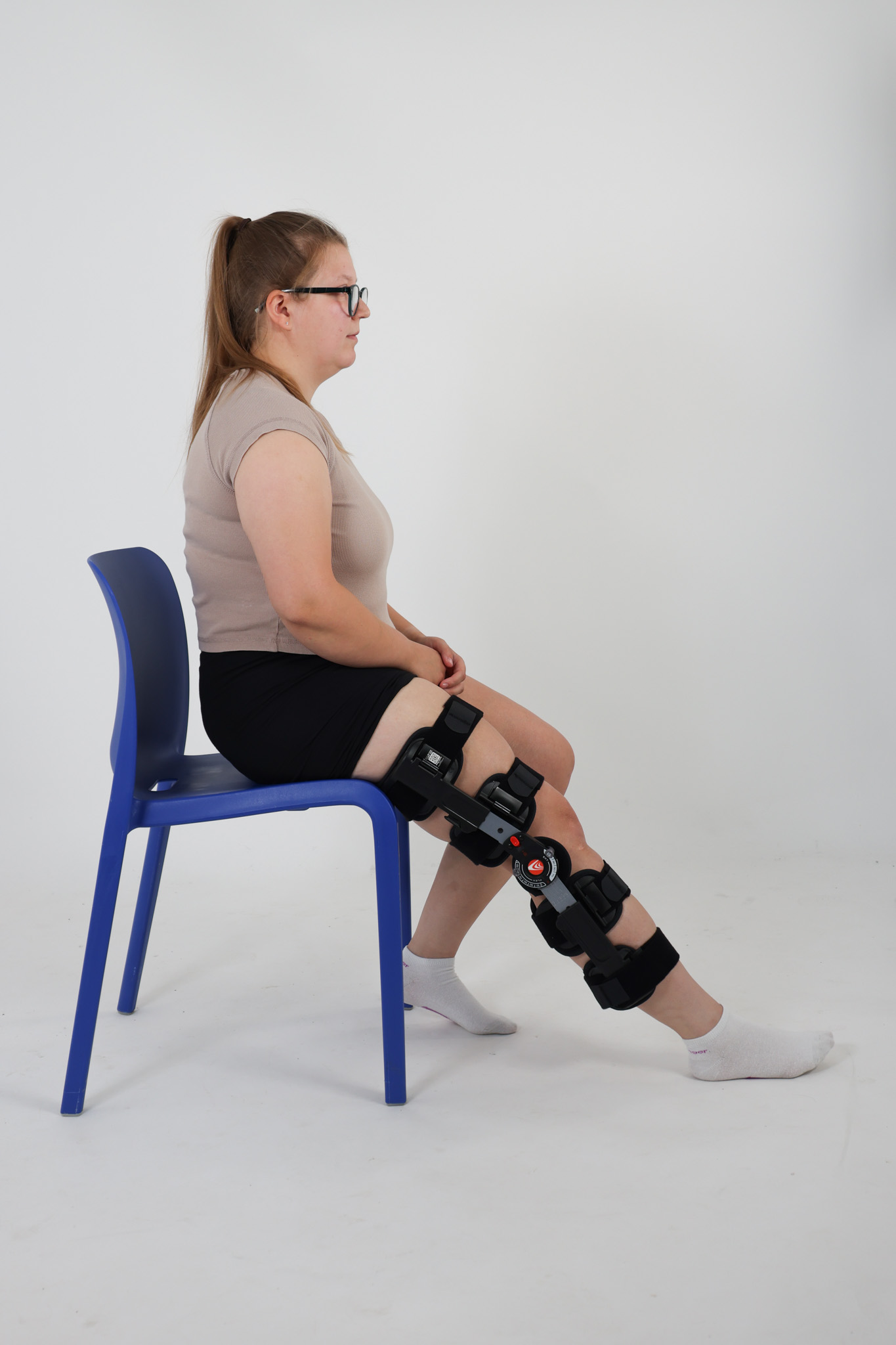
You should do this exercise while sitting on a chair. Bending and straightening your leg once is one repetition. Bend your knee as far as you can or as far as the brace will allow by sliding your foot backwards along the floor. Cross your unaffected leg over your ankle and use it to help bend the knee further. Hold this position for 10 seconds and then straighten your legs. Do not slide forward nor allow your buttocks to lift up from the chair when you push your knee to bend. (Images of brace included) |
Repeat 5-10 times
|
|
|
You should do this exercise while sitting on a chair. Bending and straightening your leg once is one repetition.
Bend your knee as far as you can or as far as the brace will allow by sliding your foot backwards along the floor. Cross your unaffected leg over your ankle and use it to help bend the knee further. Hold this position for 10 seconds and then straighten your legs.
Do not slide forward nor allow your buttocks to lift up from the chair when you push your knee to bend. |
Repeat 5-10 times
3 times daily |
|
|
Lying on your back, clench your buttock cheeks together. You may feel yourself lift a little.
Hold 5 seconds |
Repeat 10 times
3 times daily |
|
|
It is essential to keep your foot and ankle moving. Point and flex your foot up and down slowly to feel a stretch in the back of your leg. |
Repeat 10 times up and down
3 times a day |