
On the other side of the world in Sydney, Australia, Siobhan is a mother, a regular gym-goer and living a completely normal life. But 16 years ago, her future looked very different. After experiencing severe back pain following a local 10K race, Siobhan was diagnosed with a rare form of bone cancer.
“It was 2010, I was 34 and living in Warrington,” Siobhan explains. “I’d recently completed a 10K race and was suffering from excruciating back pain that just wouldn’t go away. It was taking so long to recover that I went to see an osteopath, who recommended I have an MRI scan to find out what was causing it.”
Following the scan, doctors identified a possible tumour, and Siobhan was referred to the Royal Orthopaedic Hospital (ROH) in Birmingham.
She was diagnosed with a low-grade osteosarcoma in her pelvis. The tumour was so rare that the team at the ROH had not seen a similar case in more than 20 years. Because of its rarity, her biopsy was also reviewed in the United States by internationally renowned bone cancer specialist Professor Henry Rosenberg at Harvard, who confirmed the diagnosis.
Siobhan required a complex operation known as a hemipelvectomy, involving the removal of part of her pelvis. Her surgical team, led by Professor Rob Grimer and Professor Lee Jeys, used pioneering computer-assisted navigation technology to ensure the tumour was removed with clear margins while preserving as much healthy bone as possible. Around 80% of the left side of Siobhan’s pelvis was removed.
An innovative reconstruction technique was then used to preserve the natural shape of her pelvis. Instead of using a large metal implant and spinal rod—which historically carried a high risk of mechanical failure because of the forces placed through the pelvis—the surgeons used part of Siobhan’s own fibula, the smaller bone in the lower leg, to rebuild the defect. Today, this biological reconstruction has become the preferred approach for suitable patients.
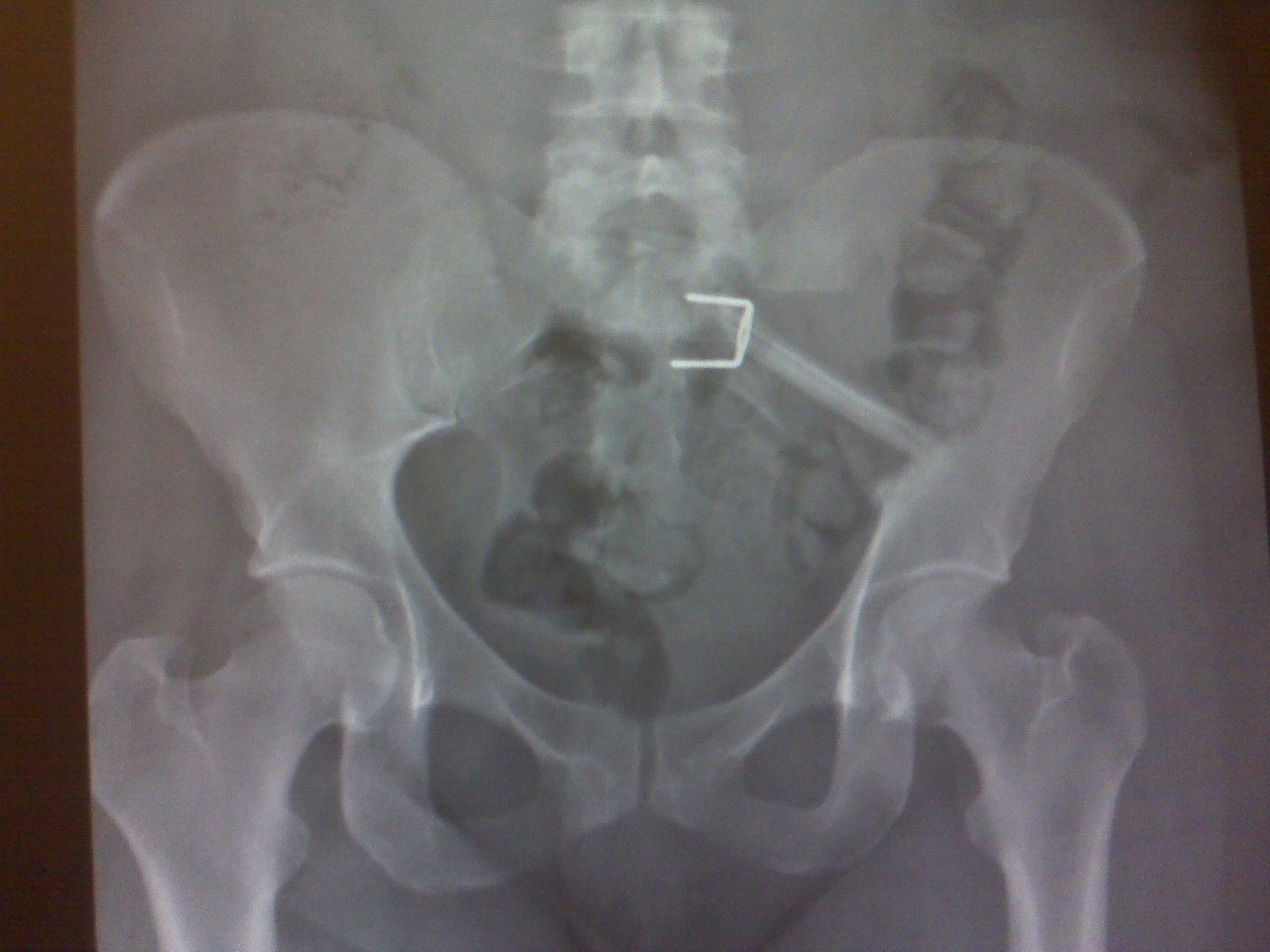
Professor Jeys explains:
“Bone is remarkable and its ability to regenerate is extraordinary. Loading the bone through weight-bearing and muscle activity stimulates it to strengthen over time. This means we can use bone from another part of the body to reconstruct areas where tumours have been removed. The fibula is ideal because it provides excellent structural support while allowing patients to achieve very good long-term function.”
Reflecting on her treatment, Siobhan says:
“I simply wouldn’t have the life I have today without the treatment I received. Because so much of my hip was preserved, I was able to carry my son during pregnancy. I did need a Caesarean section, and during the pregnancy the fibula graft in my pelvis actually fractured because of the extra weight and pressure, but I was still able to have a child. Without this surgery, that simply wouldn’t have been possible.”
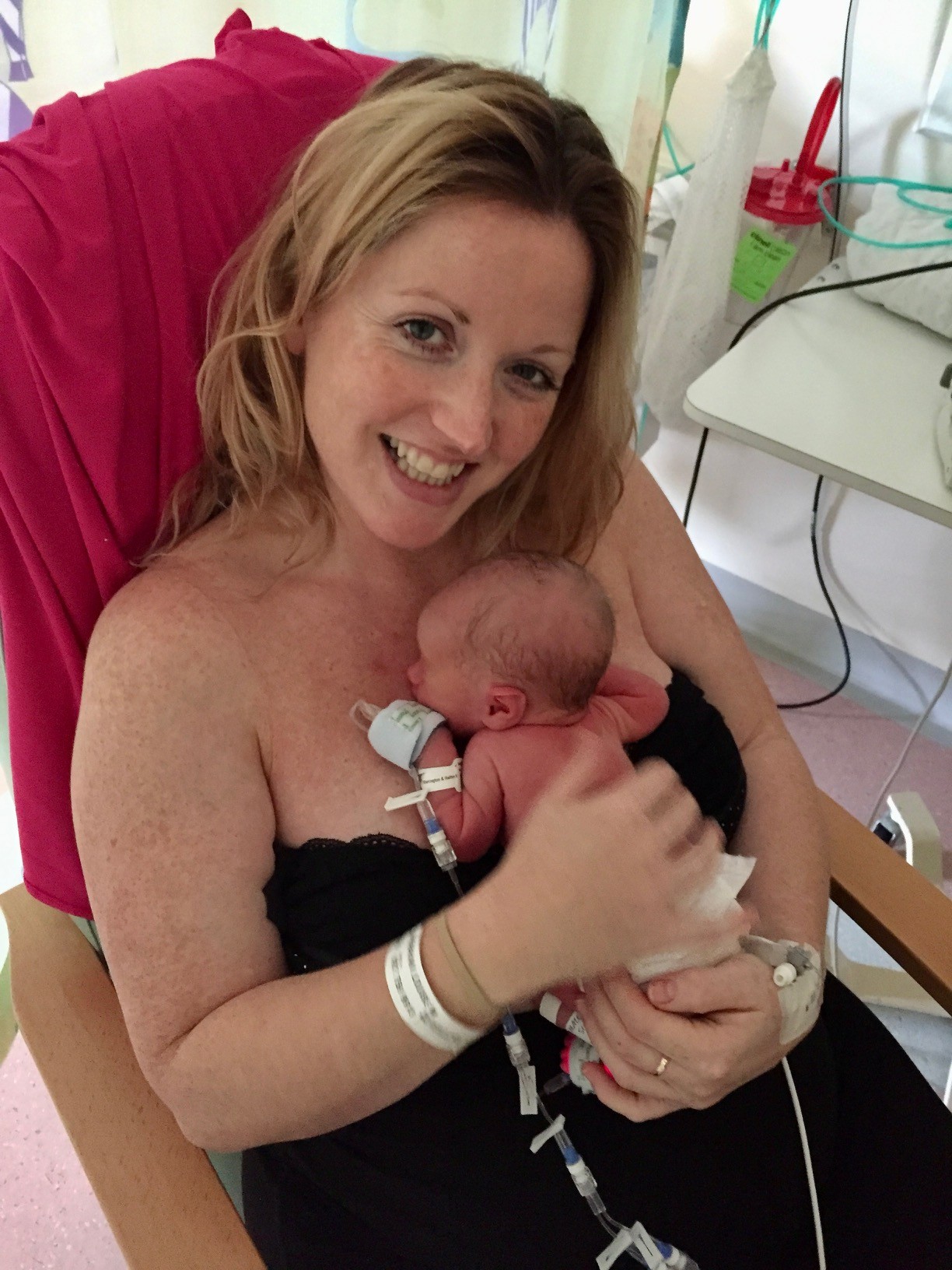
Recovery was long and challenging. It took six months for Siobhan to learn to walk again, with hydrotherapy and physiotherapy playing a vital role.
“I’ll never forget using a mobility scooter to get around the Trafford Centre,” she says. “At the time, I couldn’t imagine how far I’d come.”
Today, advances in pelvic tumour surgery have significantly improved outcomes. Improvements in surgical techniques, computer-guided navigation and ongoing research have reduced complications and increased survival rates for patients with pelvic bone cancers.
Professor Jeys says:
“Thanks to advances in surgical techniques, computer-guided technology and dedicated research, outcomes for patients have improved dramatically over the last decade. Patients diagnosed with pelvic chondrosarcoma now have around an 85% chance of survival, compared with approximately 68% previously.”
Now living in Sydney with her family, Siobhan continues to lead an active lifestyle, regularly going to the gym and enjoying life without limitations.
“I’m here, I’m walking, I’m living a completely normal life,” she says. “I owe that to Professor Grimer, Professor Jeys and everyone at the Royal Orthopaedic Hospital.”
For more information about the Orthopaedic Oncology service at ROH, click visit Royal Orthopaedic Hospital - Oncology


